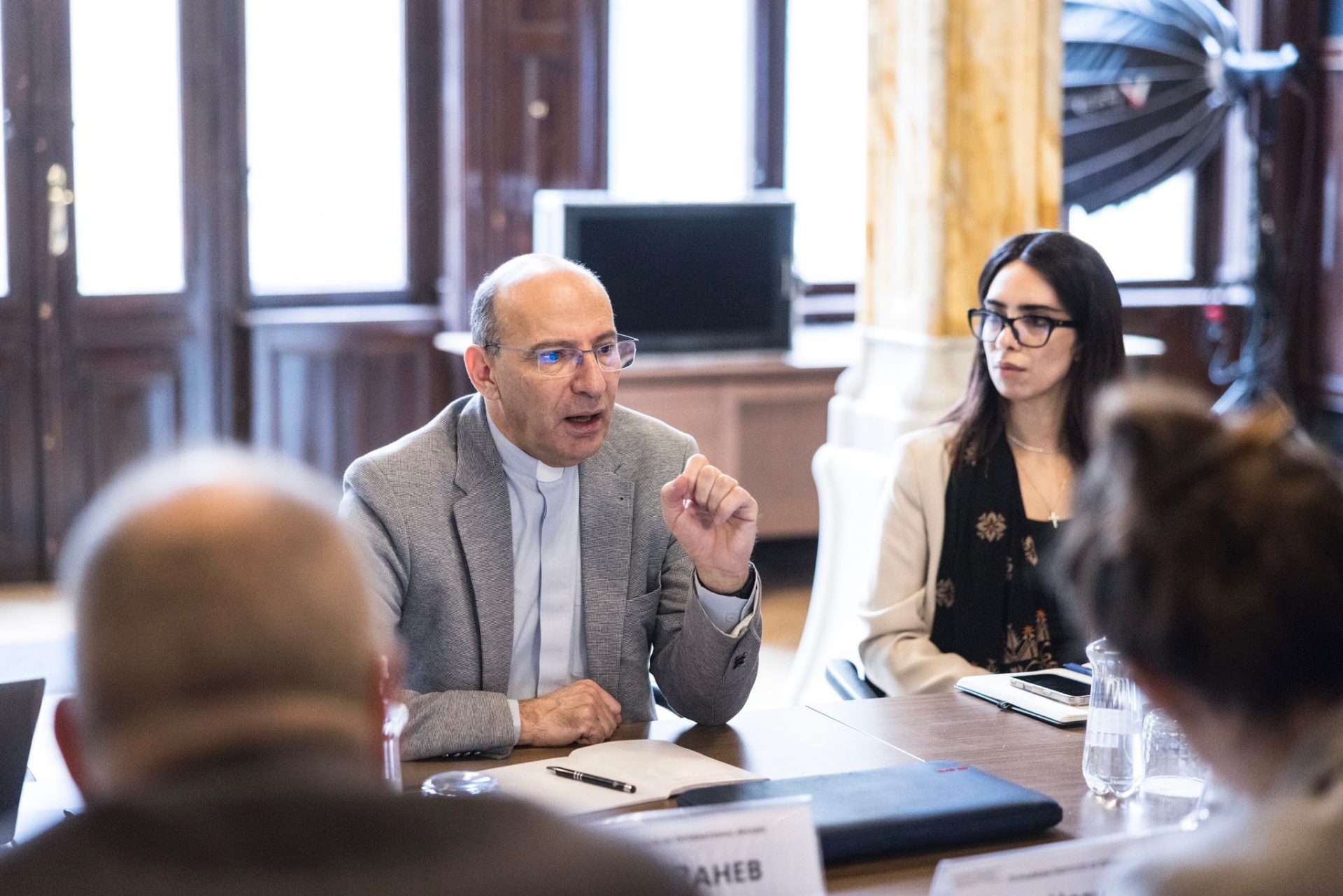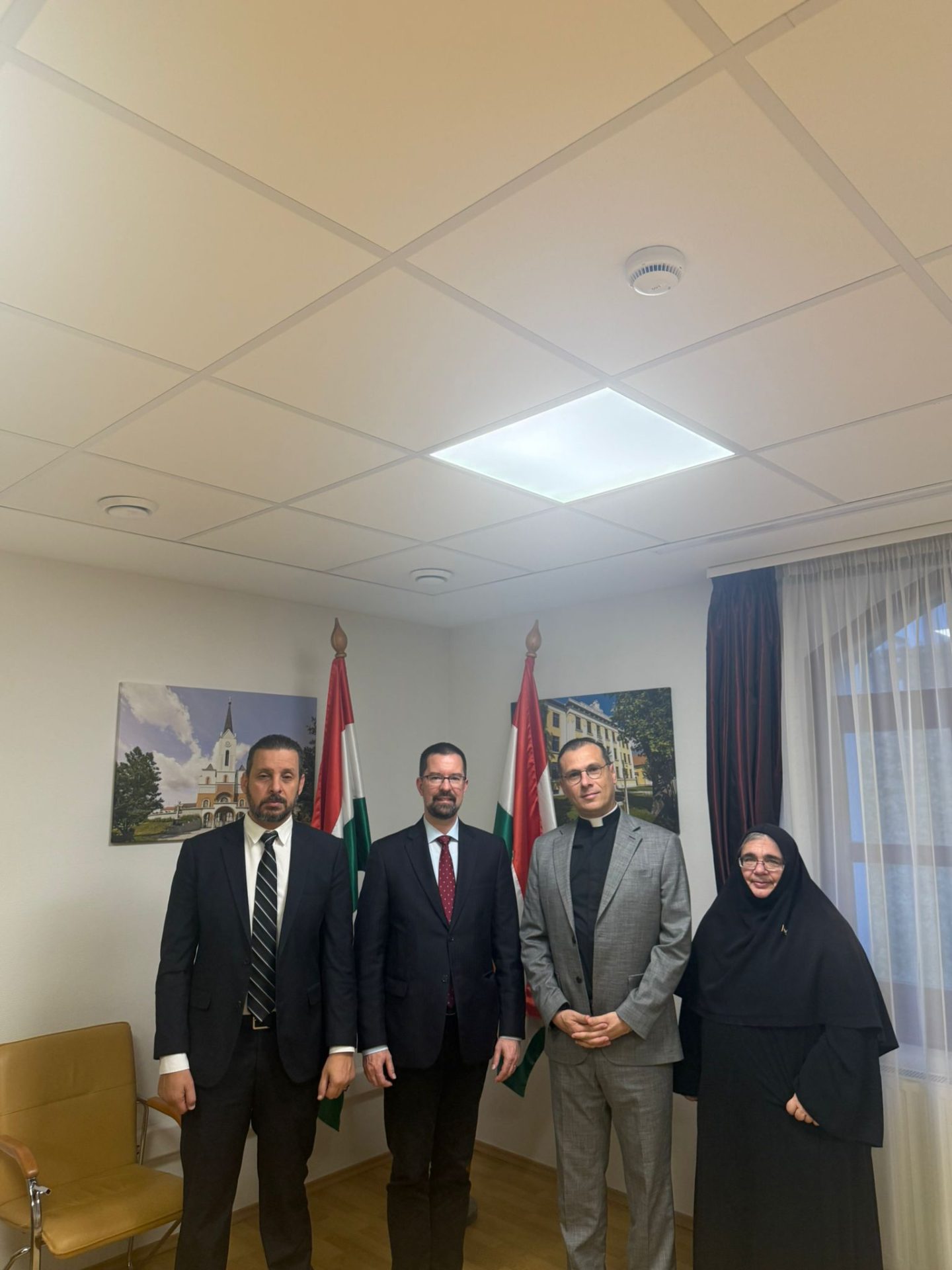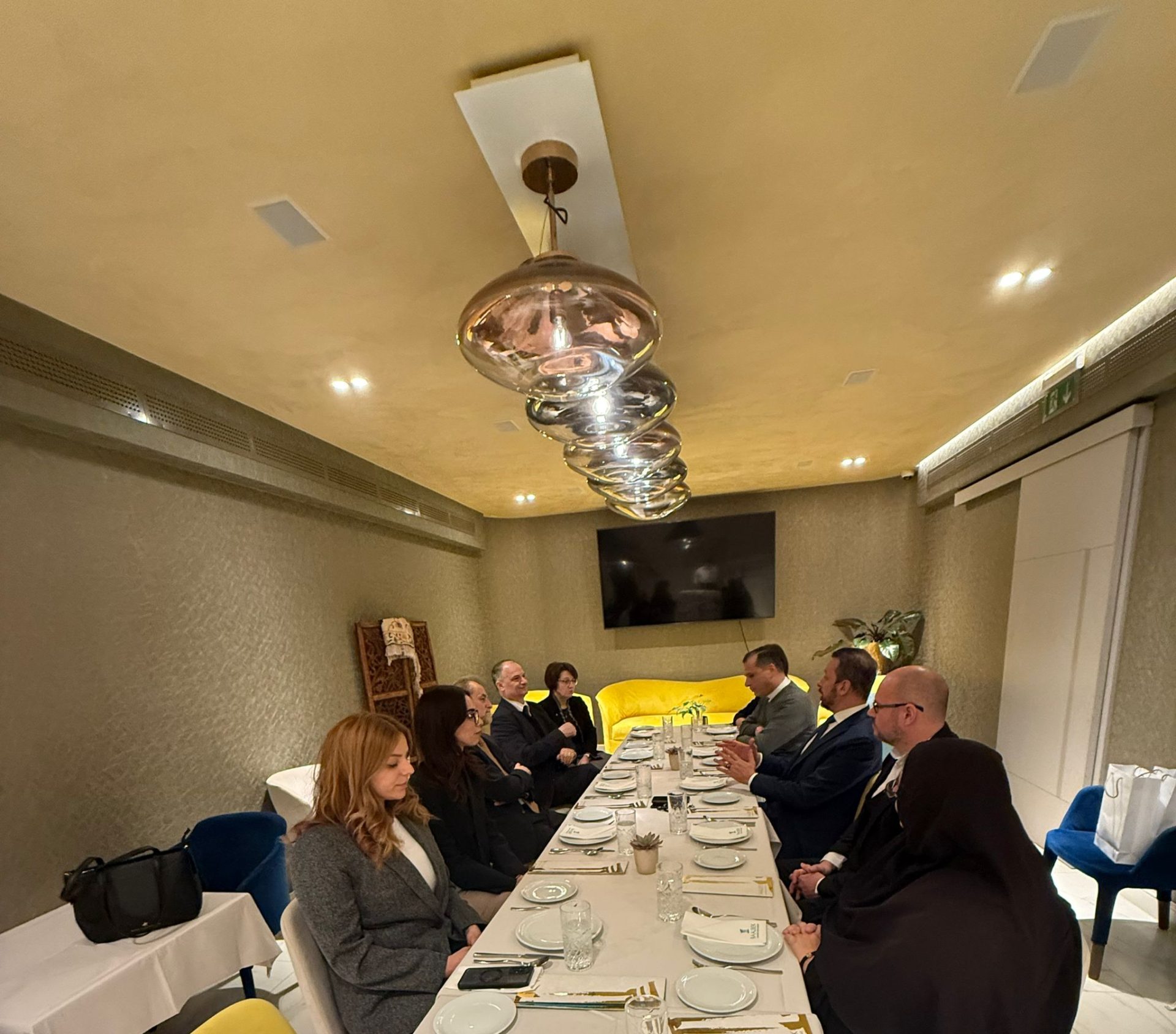
The Higher Presidential Committee for Church Affairs in Palestine has concluded a four-day official visit to the Hungarian capital, Budapest. The visit was organized jointly by the Embassy of the State of Palestine in Hungary, the Higher Presidential Committee, and the Hungarian Ecumenical Council, and marks the second visit in a series of engagements aimed at strengthening dialogue and raising international awareness about the situation of Palestinian Christians in the Gaza Strip, the West Bank, and East Jerusalem, amid systematic Israeli crimes and violations that threaten their existence.
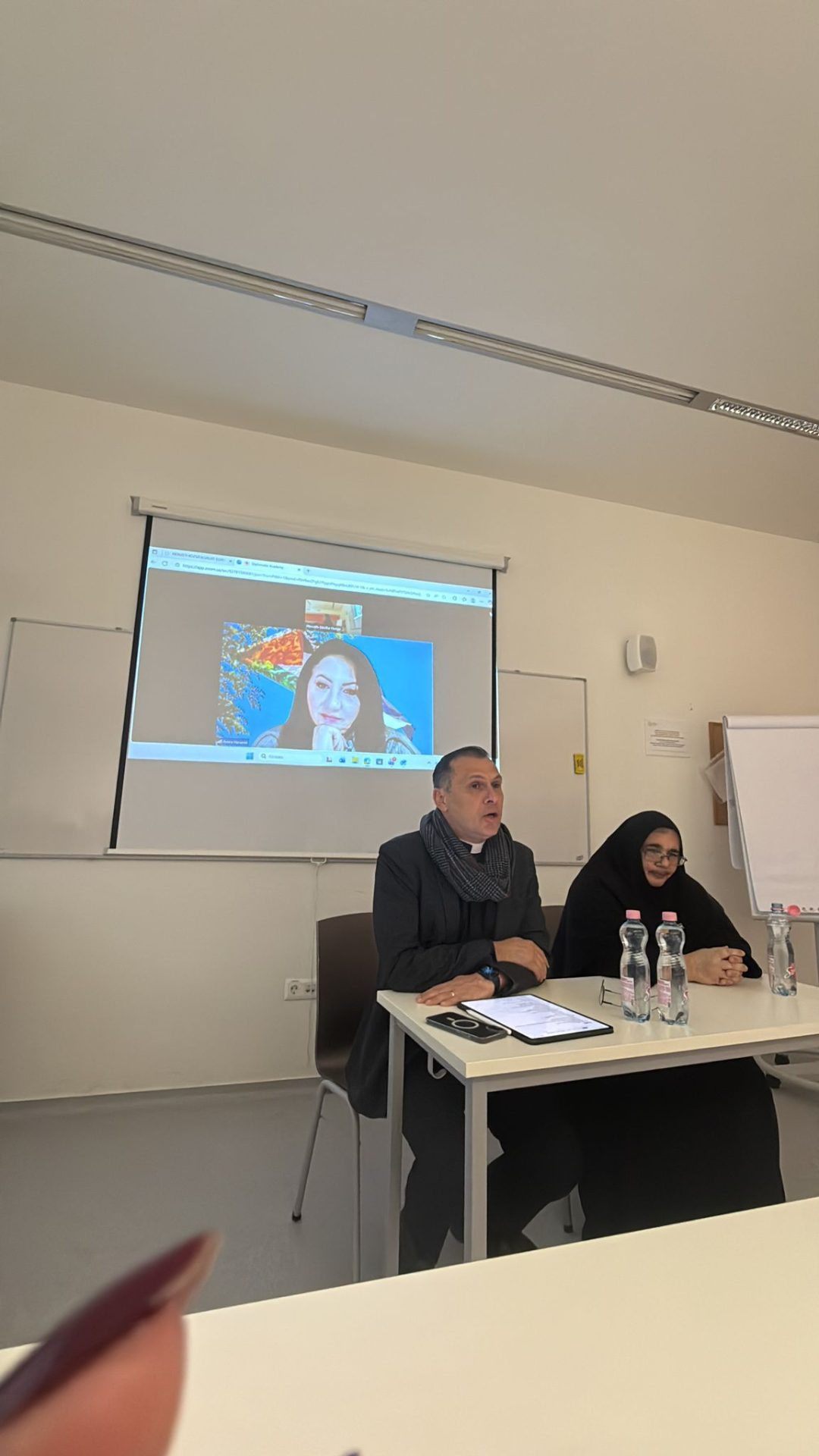
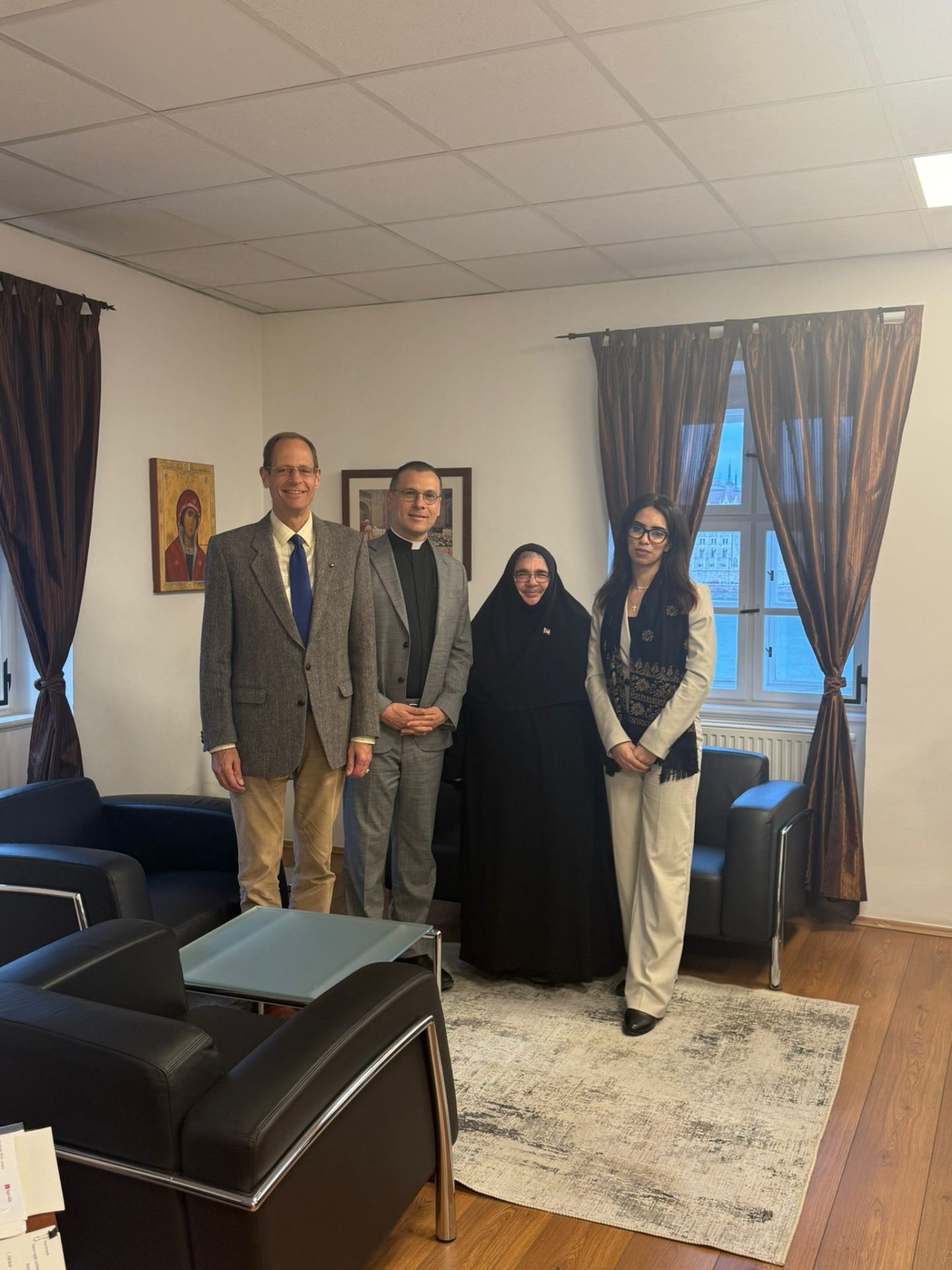
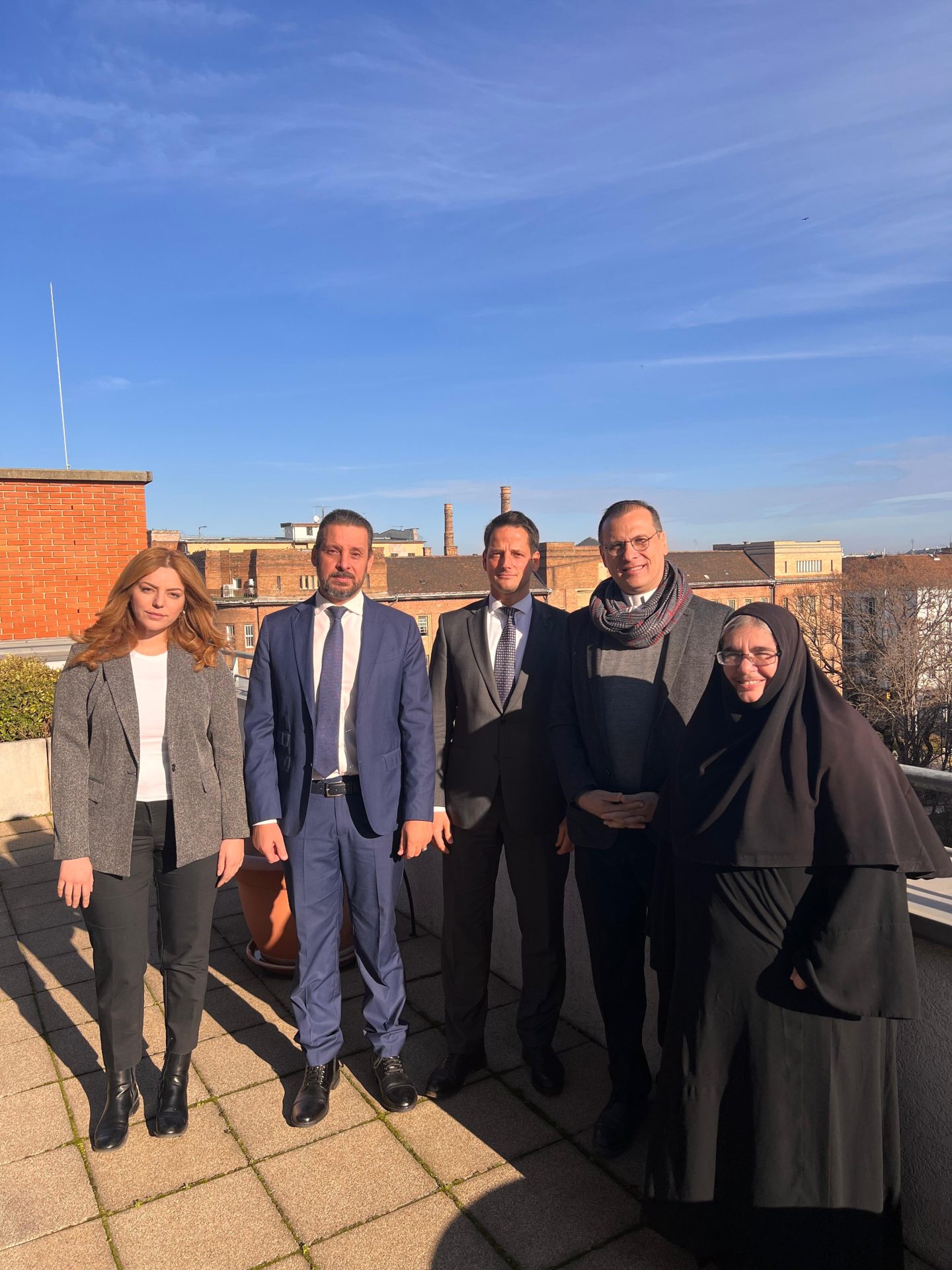
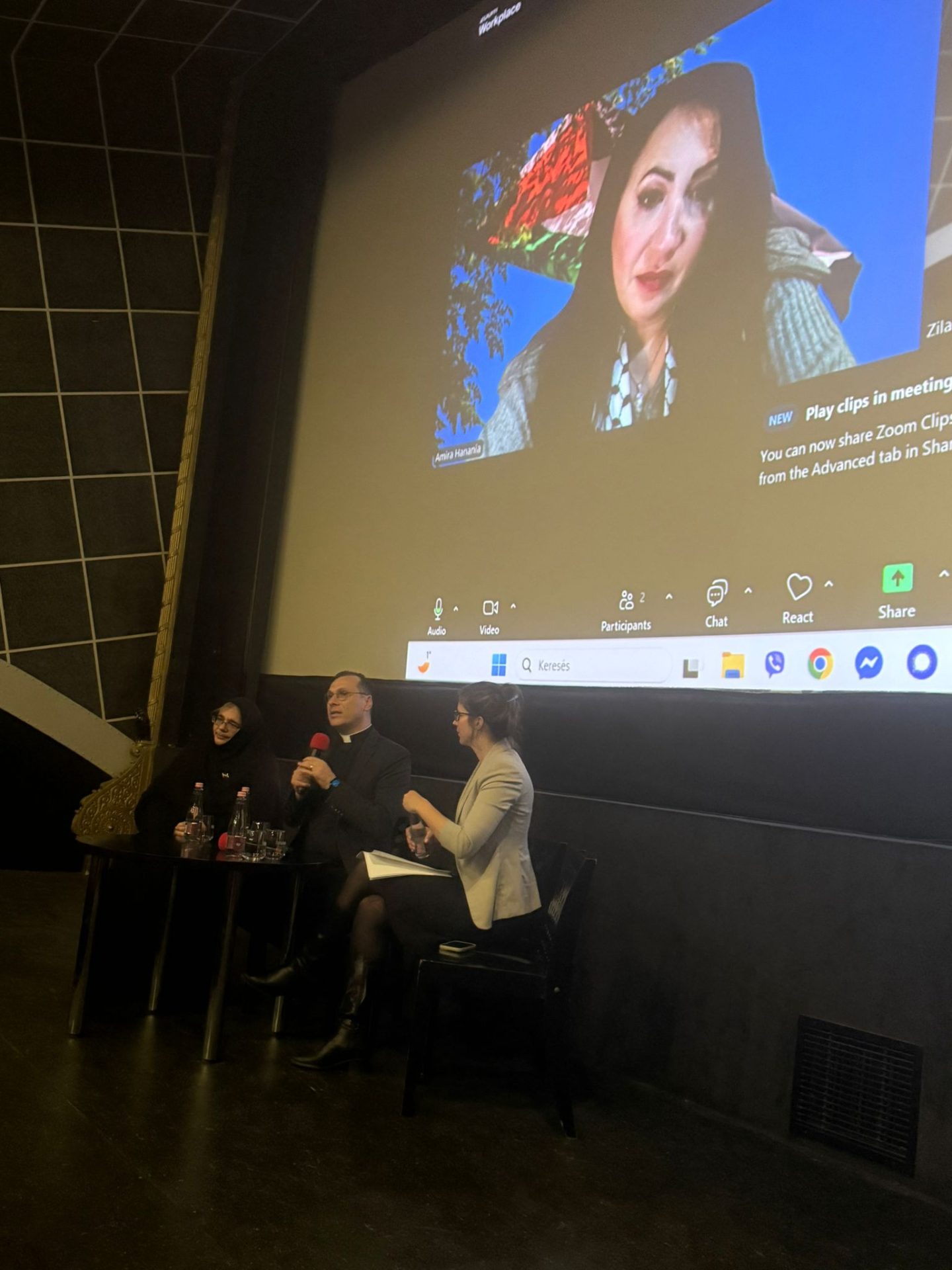
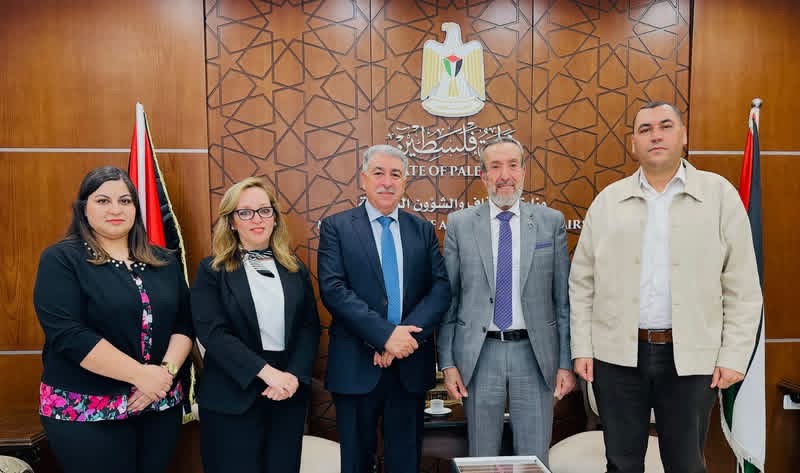
The delegation included Rev. Dr. Mitri Raheb, Founder and President of Dar Al-Kalima University College in Bethlehem; Rev. Dr. Munther Isaac, theologian and Pastor of the Evangelical Lutheran Church of Hope in Ramallah,; and Ambassador Amira Hanania, member of the Committee and its representative in Europe, who joined via videoconference. They were accompanied by American nun and advocate Mother Agapia Stephanopoulos. Meetings were held in the presence of Palestinian Ambassador Dr. Fadi Husseini and diplomats Yuad Jadarat and Sophia Daibes.
Throughout the visit, the delegation met with senior Hungarian officials, including Miklós Soltész, State Secretary for Church and Ethnic Relations; Márk Érszegi, Senior Adviser on Religion and Diplomacy; and János Lastofka, Director of the Middle East Department at the Ministry of Foreign Affairs and Trade.
The delegation presented detailed briefings on Israeli violations during the recent aggression on Gaza and their direct impact on the Christian population, highlighting Israeli systematic attacks on Muslim and Christian holy sites, land confiscations, taxation policies targeting churches, and other measures threatening the historic Christian presence in the Holy Land.
The delegation also held a meeting with Péter Szabadhegyi, Head of the Order of Malta in Hungary, to explore avenues for strengthening humanitarian and diplomatic cooperation in support of the Palestinian people—particularly in Gaza. Discussions emphasized the vital role of Palestinian churches, the third-largest service provider after the Palestinian government and UNRWA, and acknowledged the Order’s continued support for institutions in Gaza.
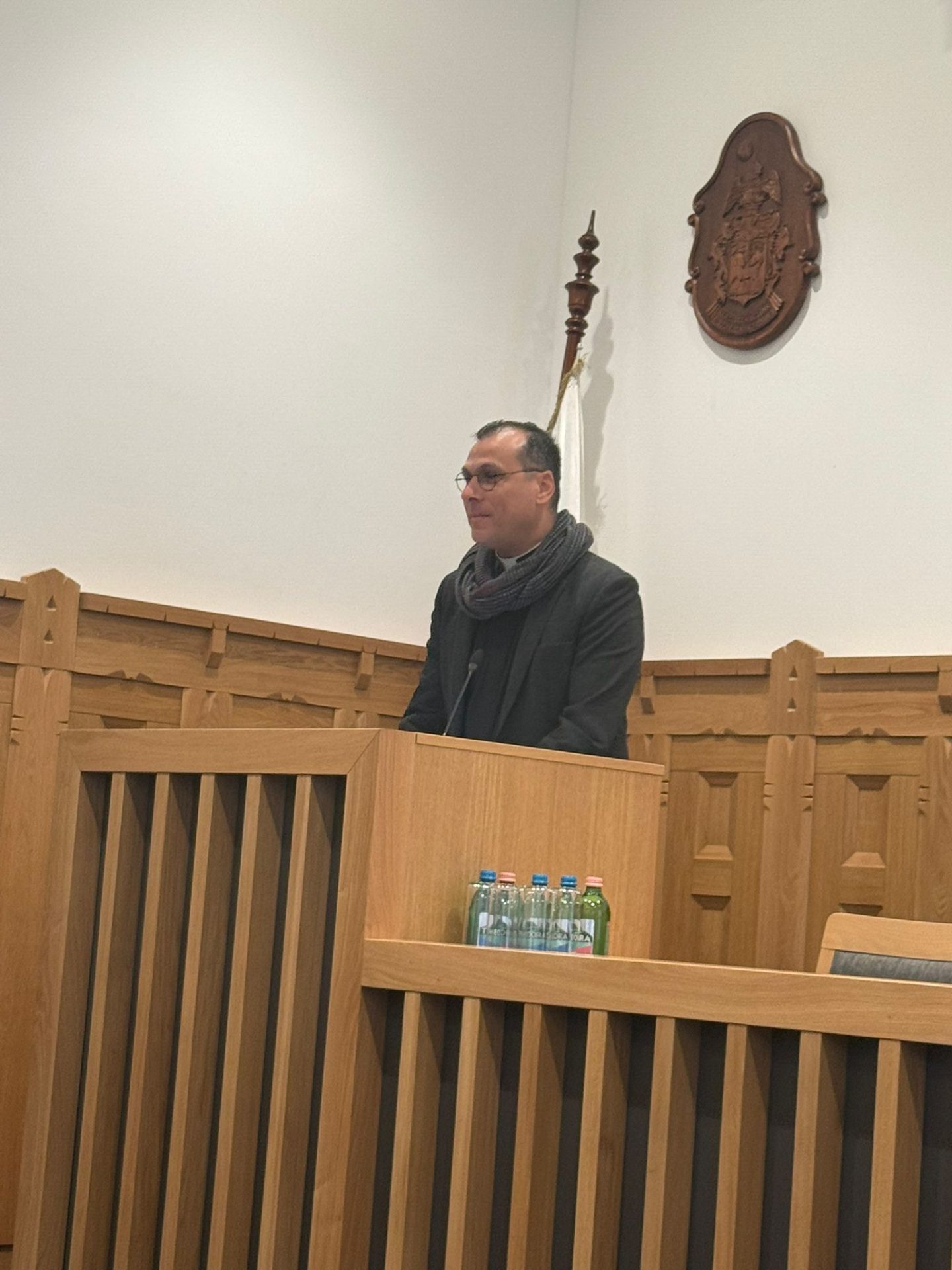
The visit featured a significant academic component. Rev. Dr. Raheb met with researchers at the Institute for Foreign Affairs under the Hungarian Prime Minister’s Office. Additionally, Rev. Dr. Raheb, Ambassador Hanania, and Mother Agapia delivered a lecture at the Hungarian Diplomatic Academy, underscoring that the Palestinian cause is a national and moral issue requiring international legal and diplomatic accountability for Israel’s (the occupying state) ongoing violations and attempts to change Palestine’s religious and demographic identity.
At Károli Gáspár University of the Reformed Church, the delegation met with senior academic leaders—including Prof. Zoltán Literáti, Dean of the Faculty of Theology, and Prof. Péter Bala, Vice President for International Relations. The meetings included a presentation on the suffering of the Palestinian people and the destruction of Churches, Christian schools, hospitals, and institutions during the aggression on Gaza. The parties also discussed prospects for academic cooperation, including potential study visits for Hungarian theology students to Palestine, particularly Bethlehem.
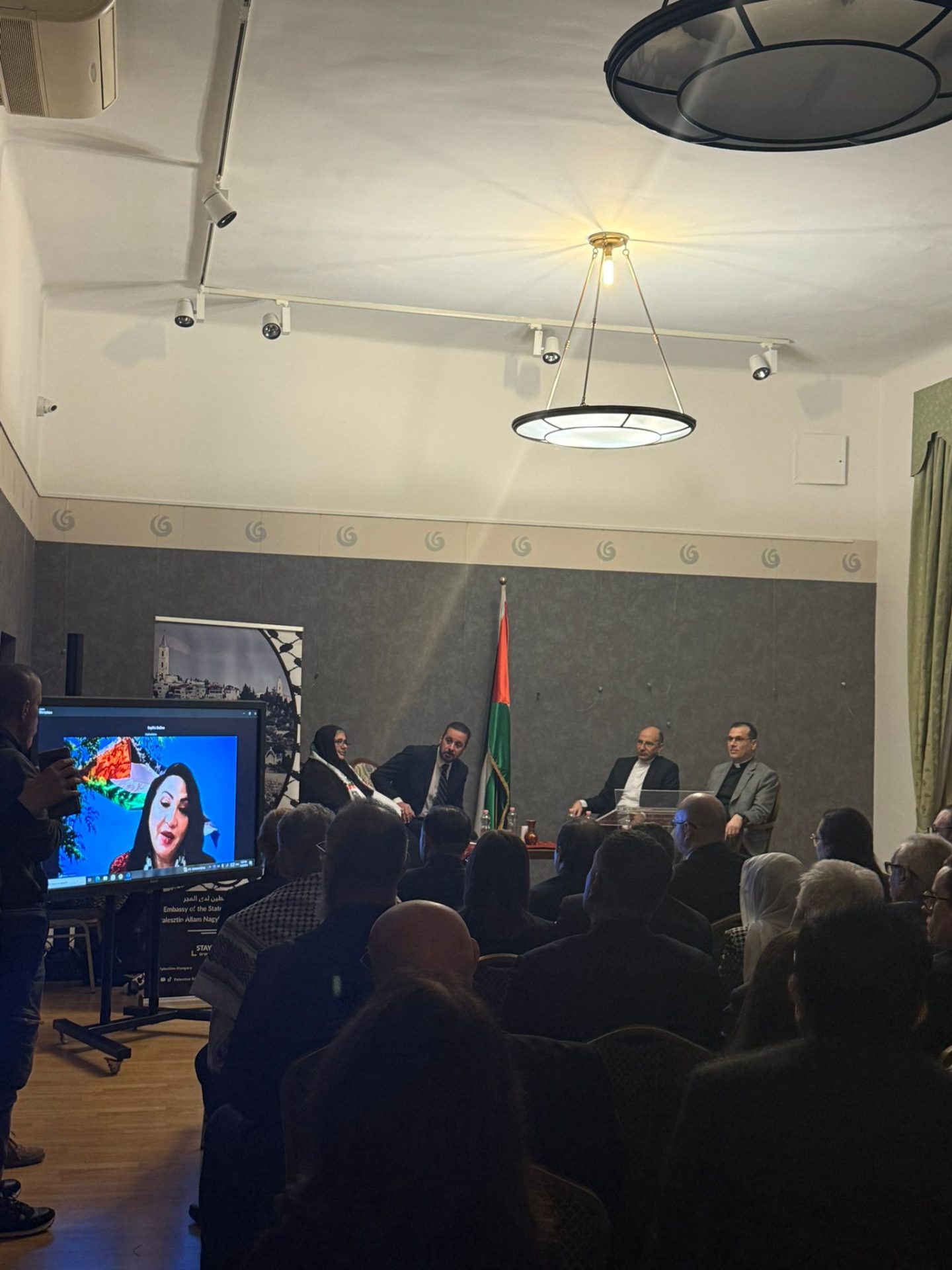
As part of the program, the delegation participated in a public symposium titled “From Bethlehem to Jerusalem – The Situation of Christians in Palestine Today,” which included the premiere screening of the documentary Via Dolorosa. The event drew wide attendance, and the delegation engaged in several media interviews on current developments in Palestine and the conditions facing Christians in the Holy Land.
The visit concluded with a reception hosted by the Palestinian Ambassador for church leaders and clergy in Hungary. The gathering resulted in agreements on several frameworks to enhance future cooperation, amplify the voices of Palestinians—both Muslims and Christians—and support their resilience and their national and human rights.