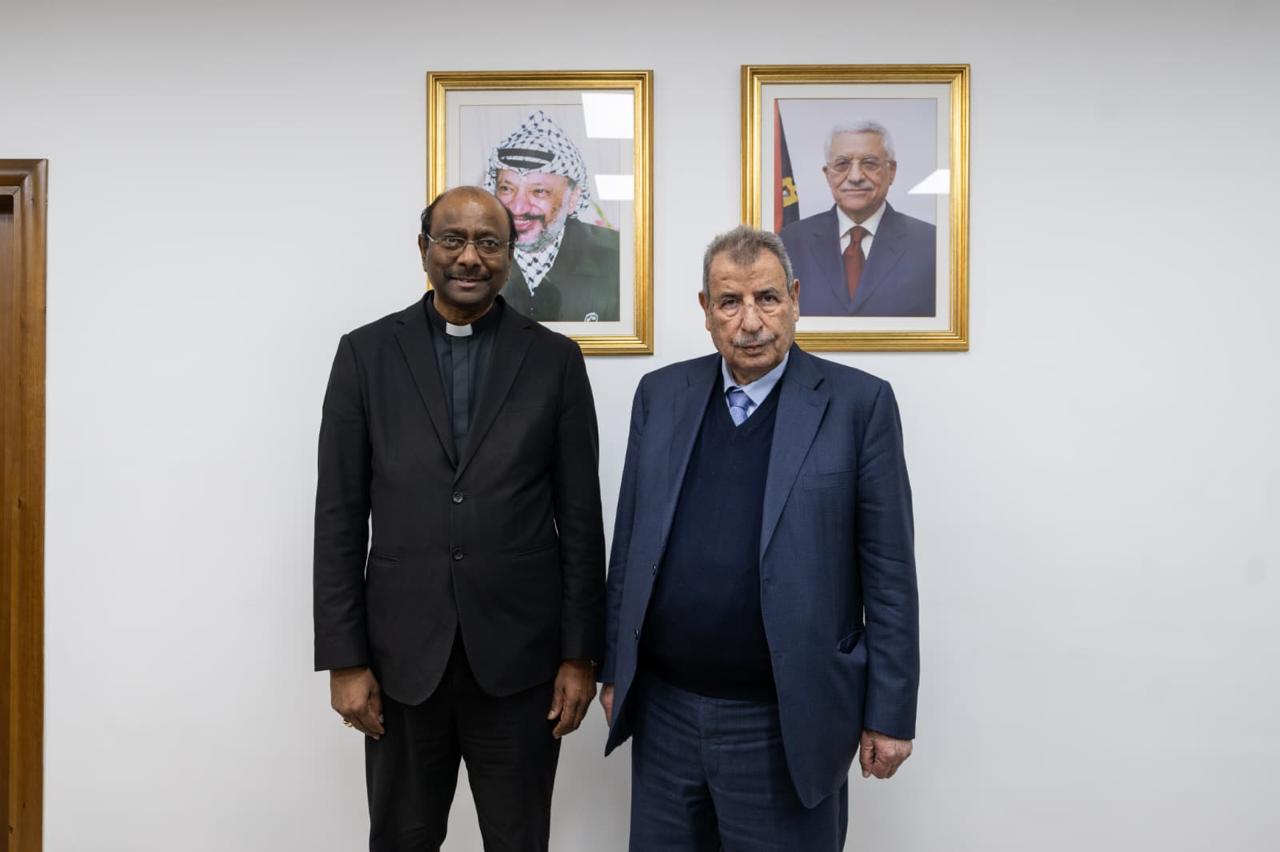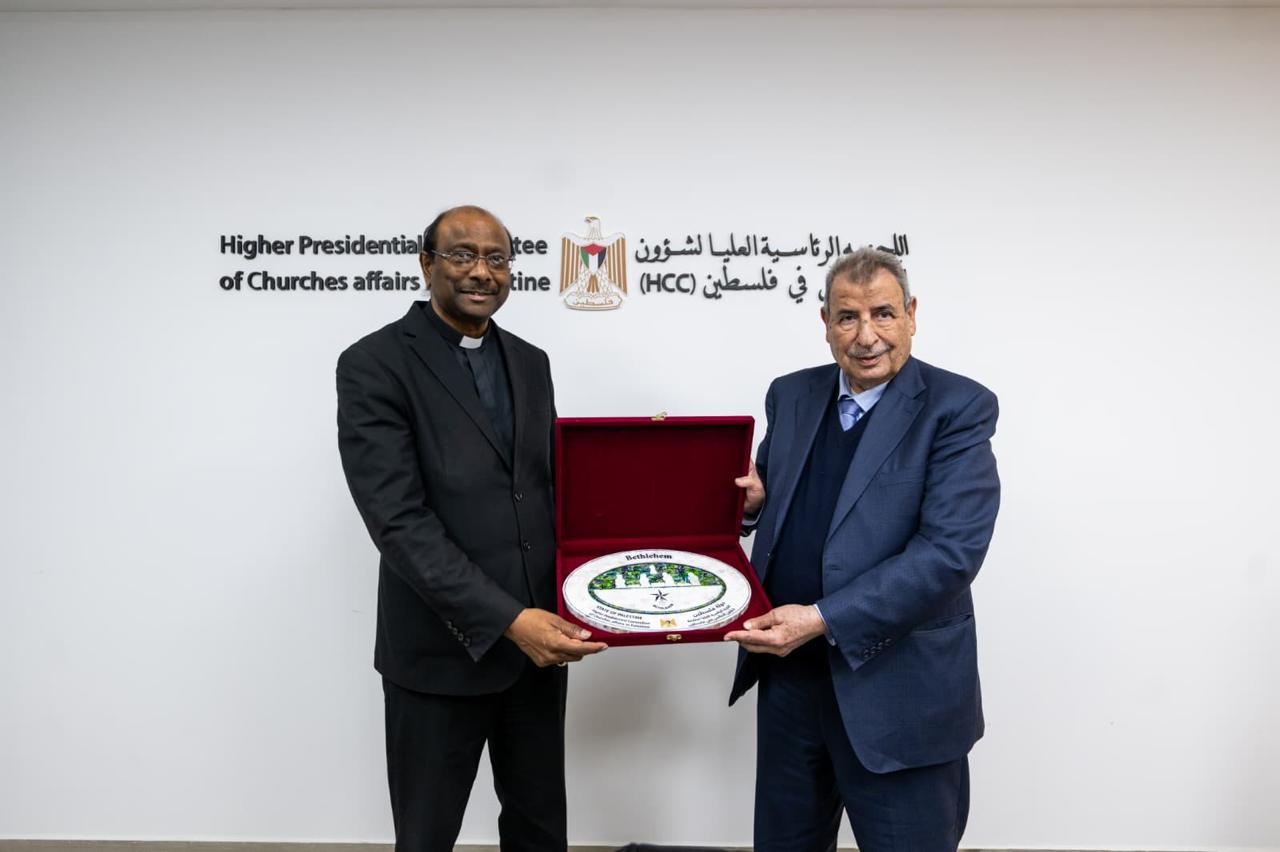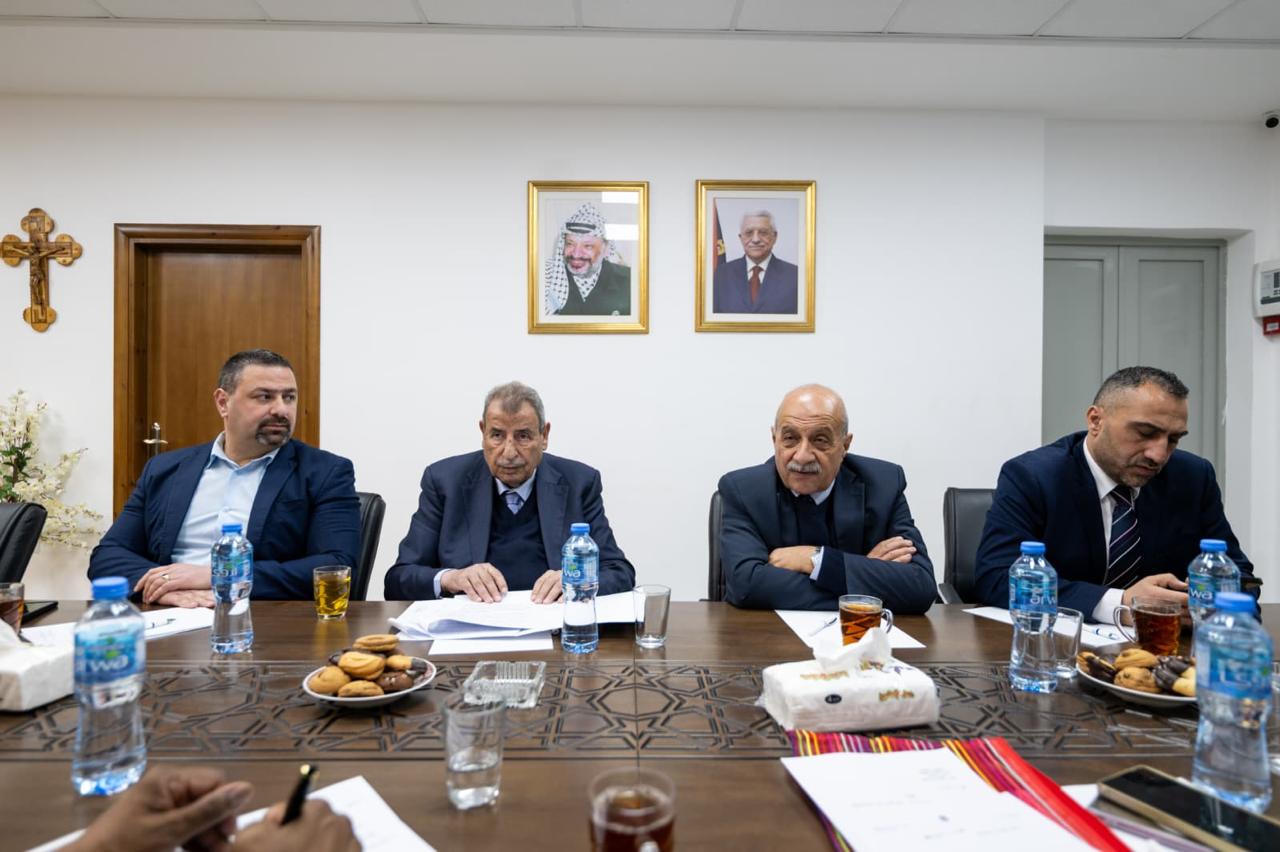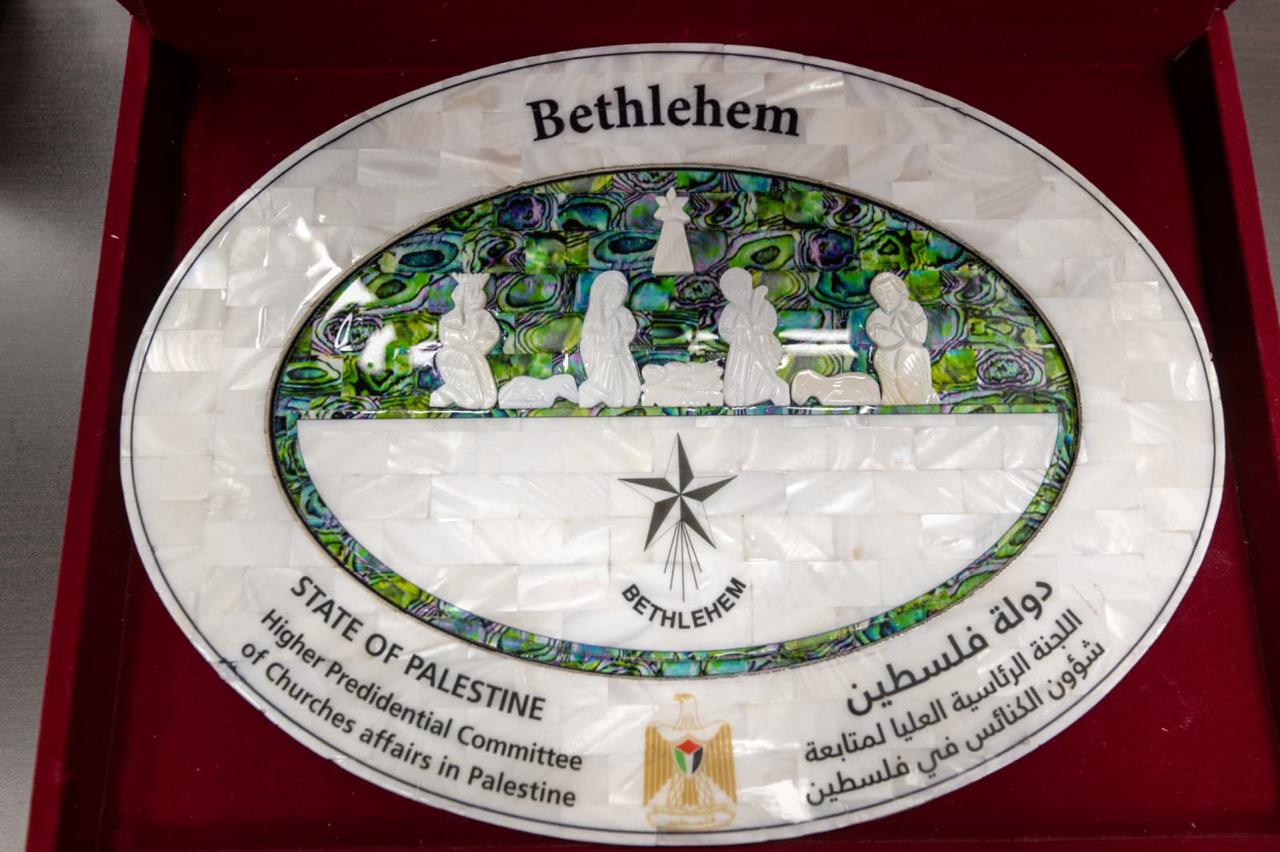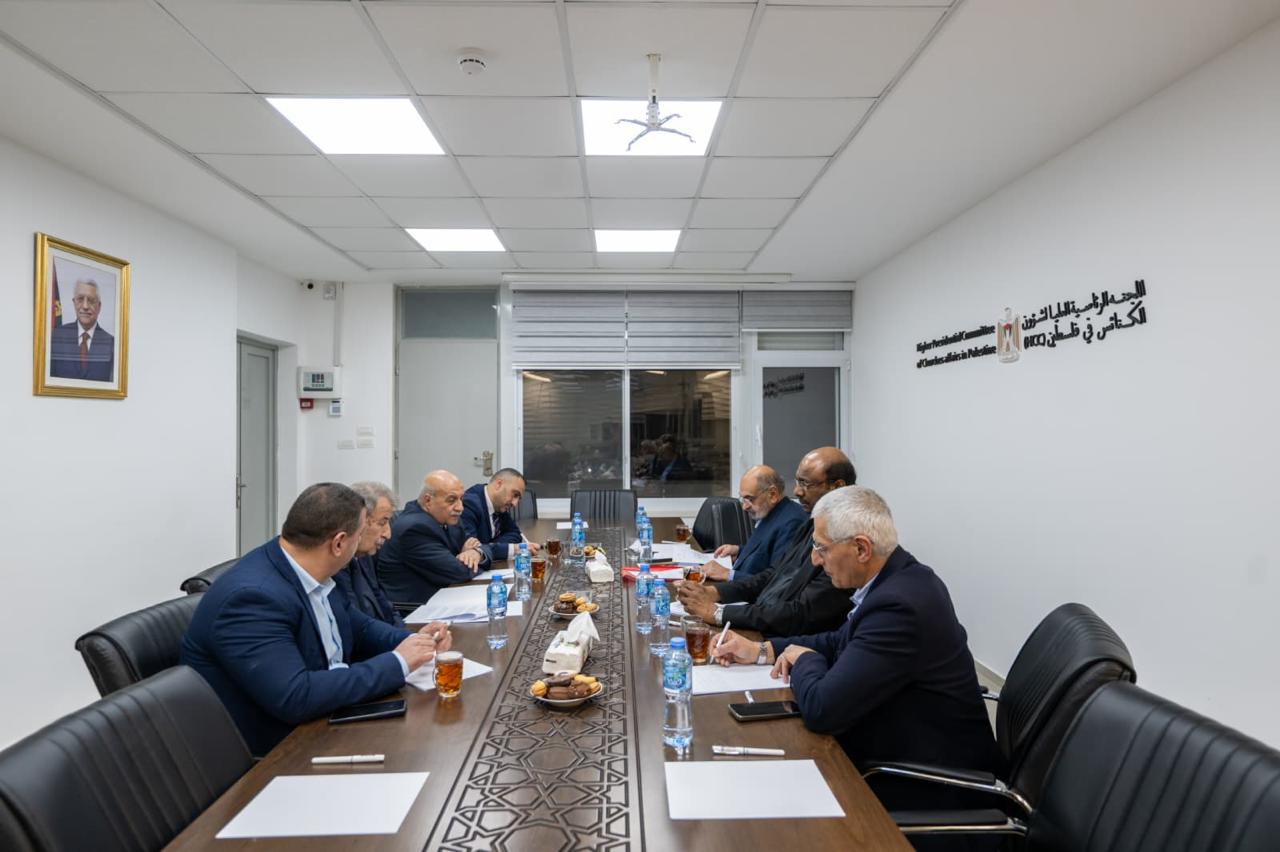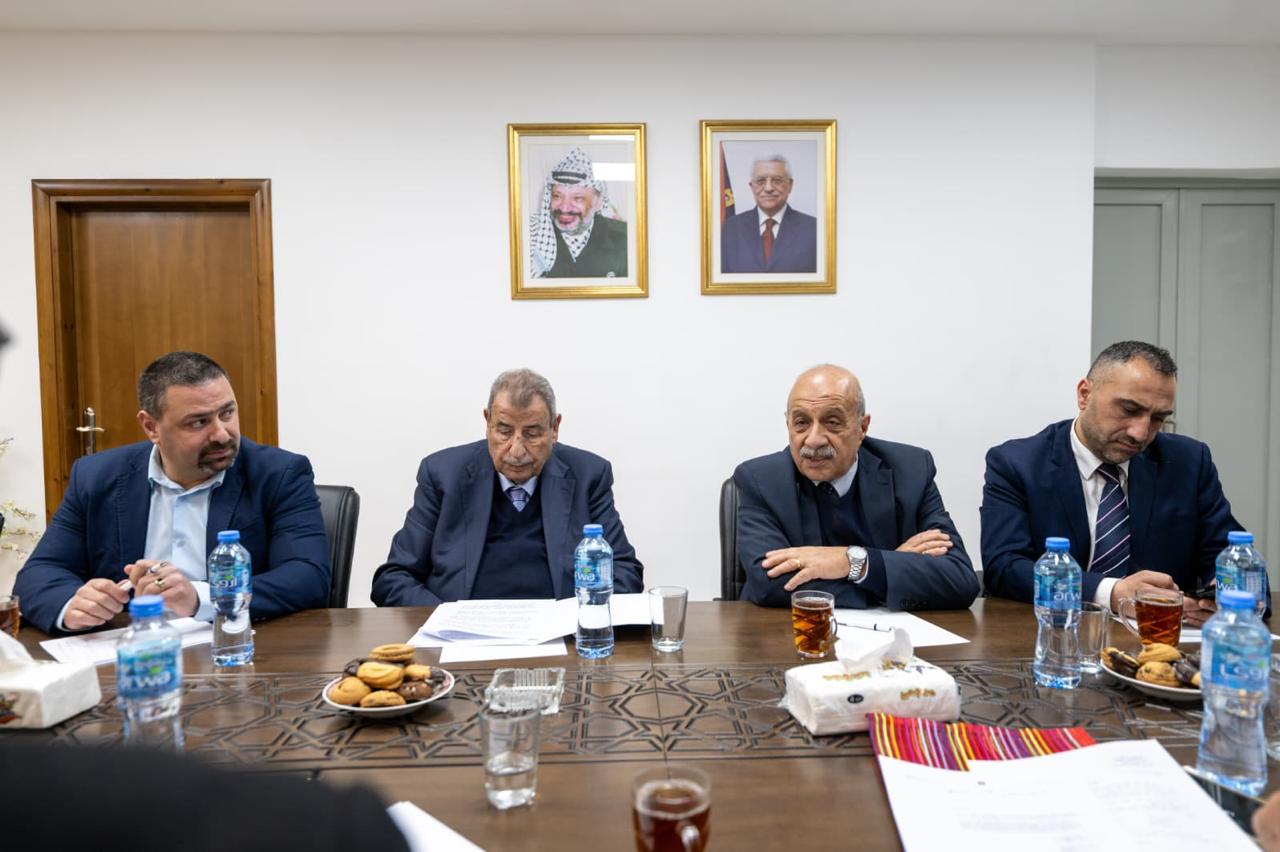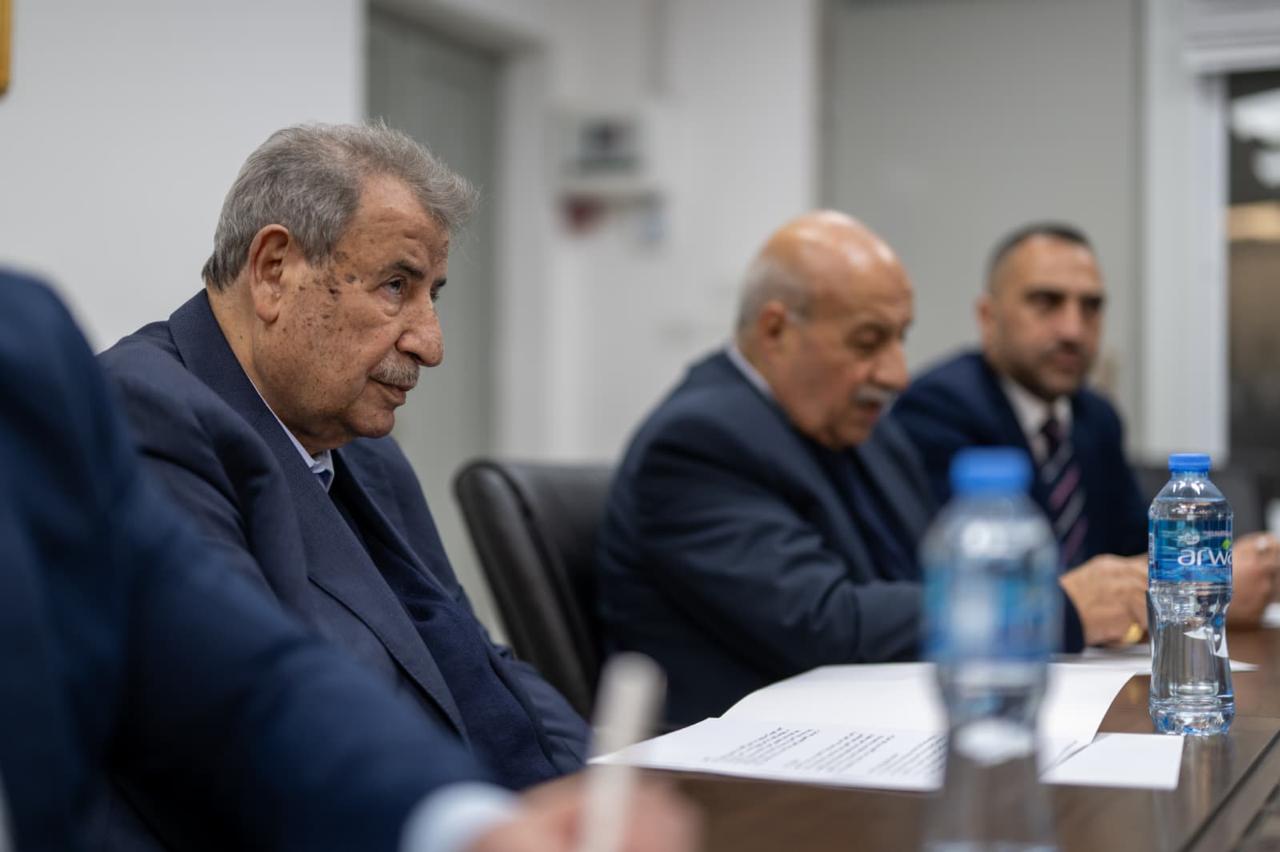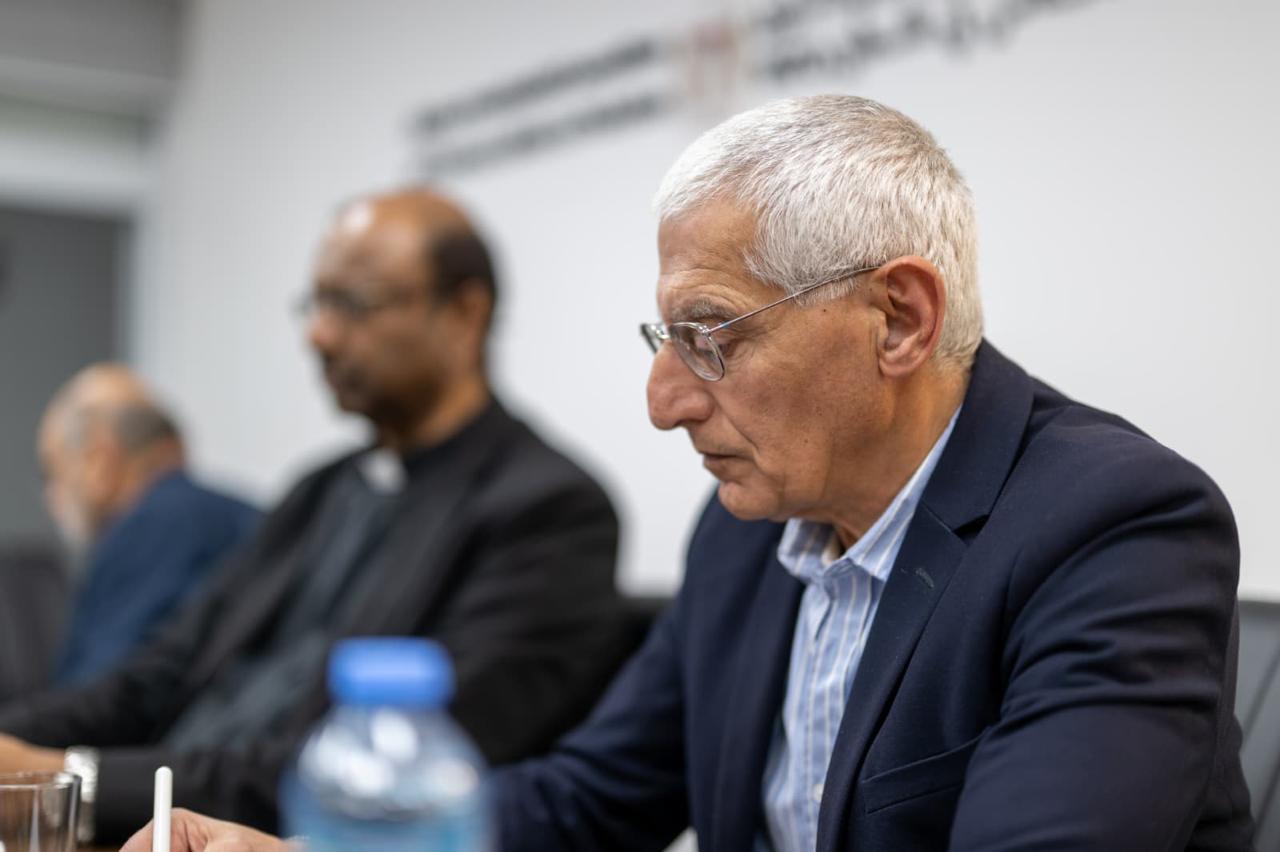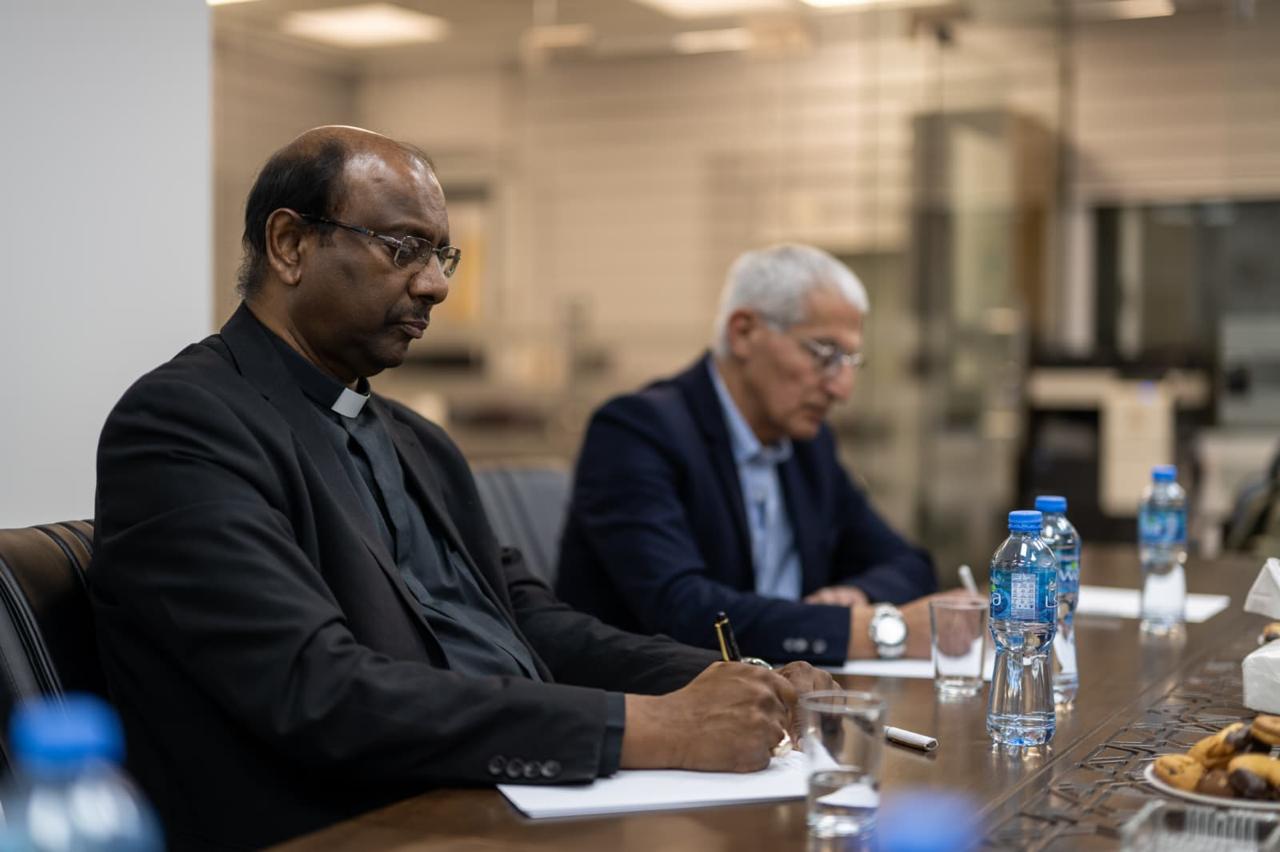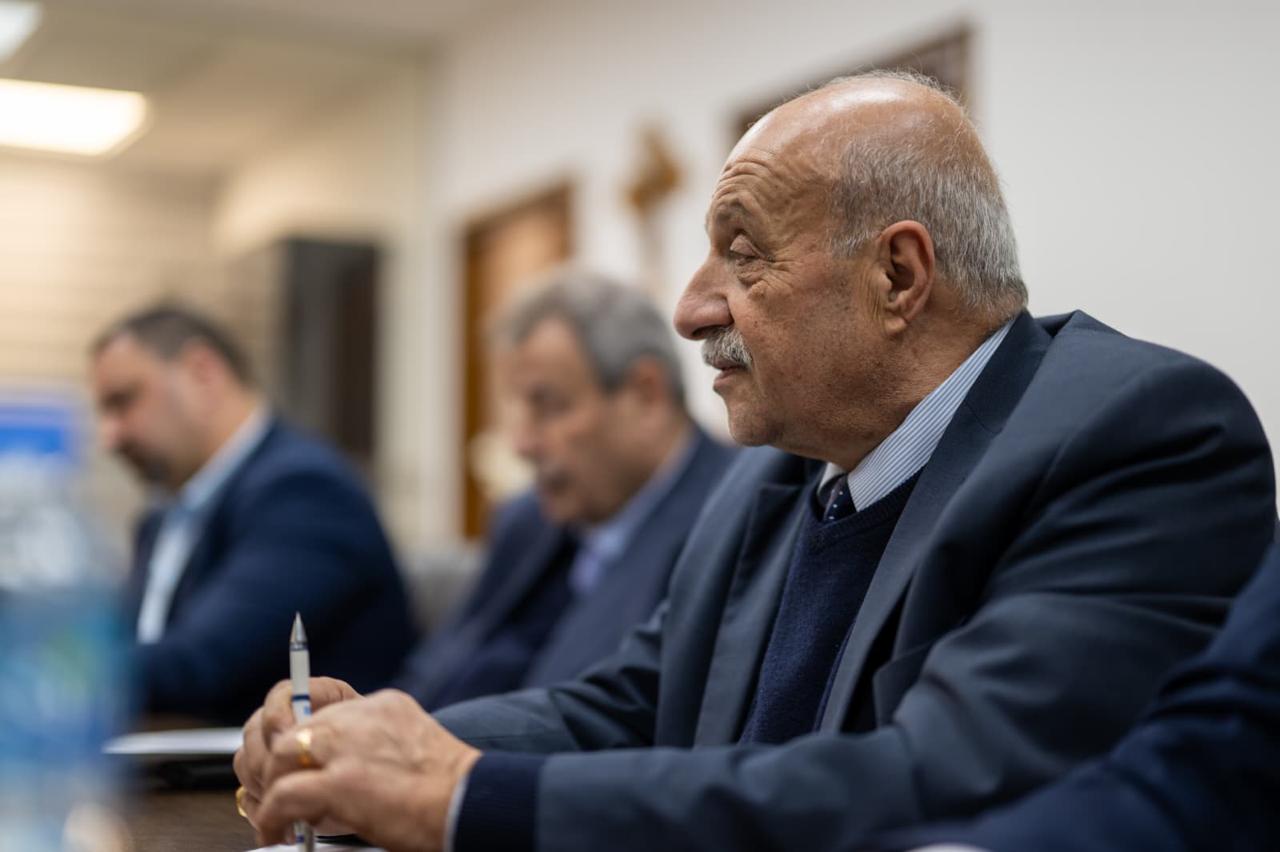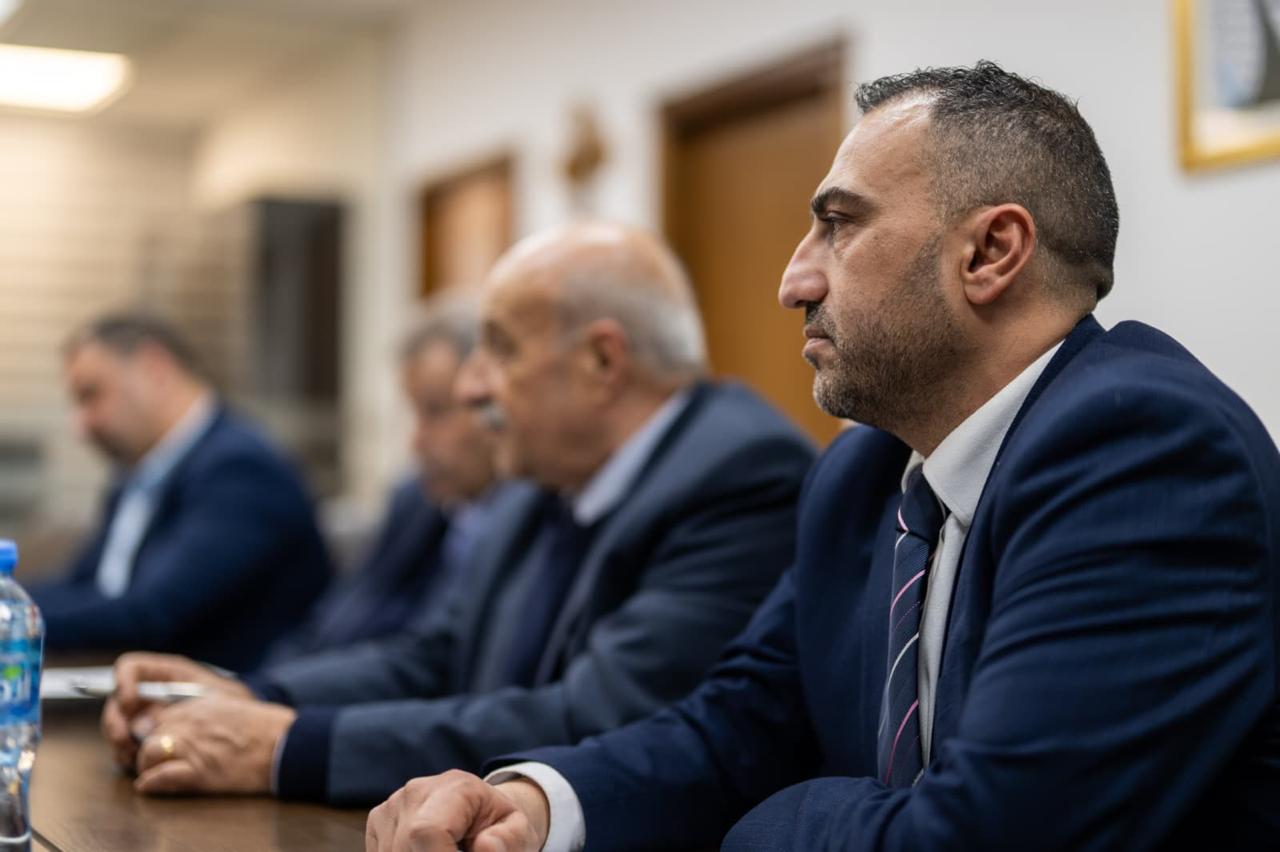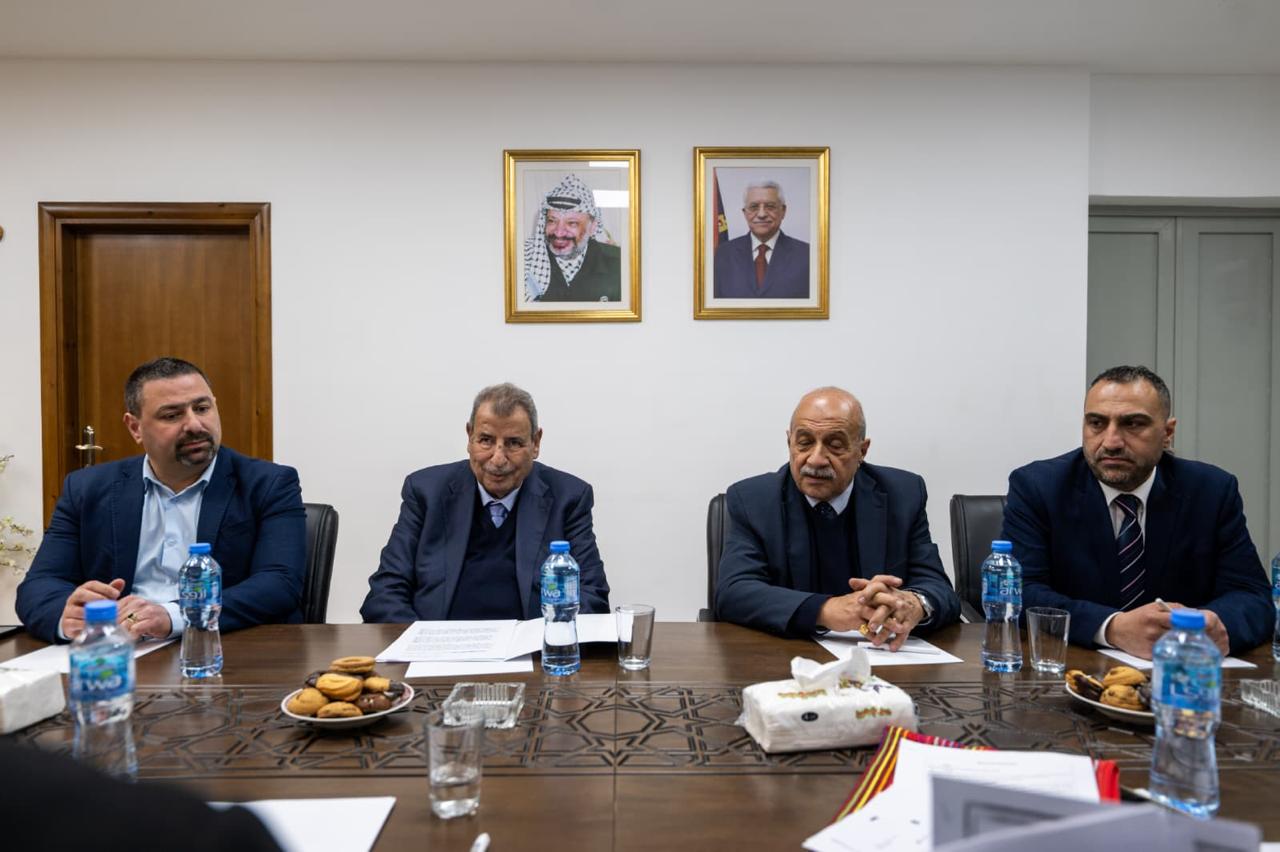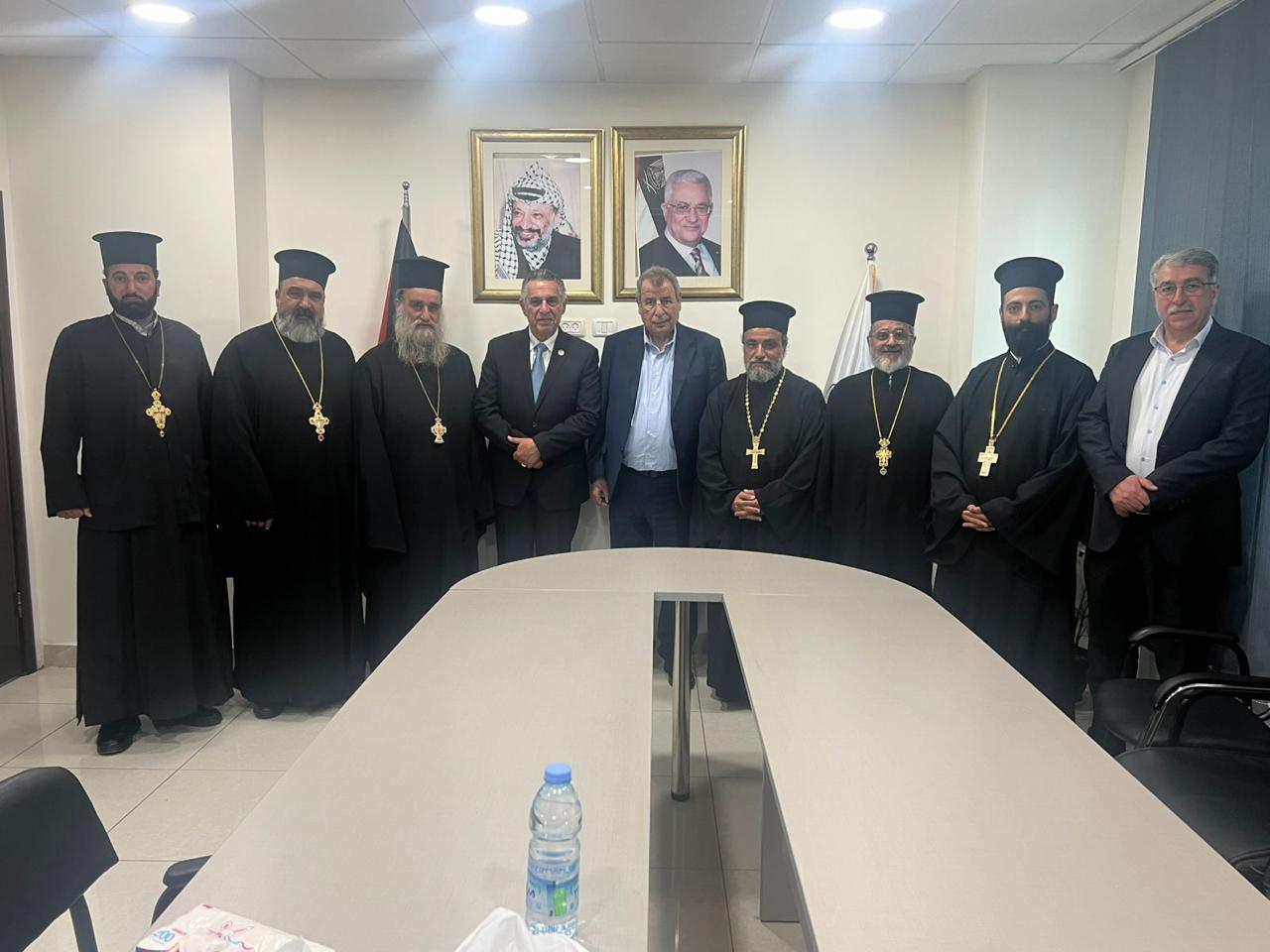
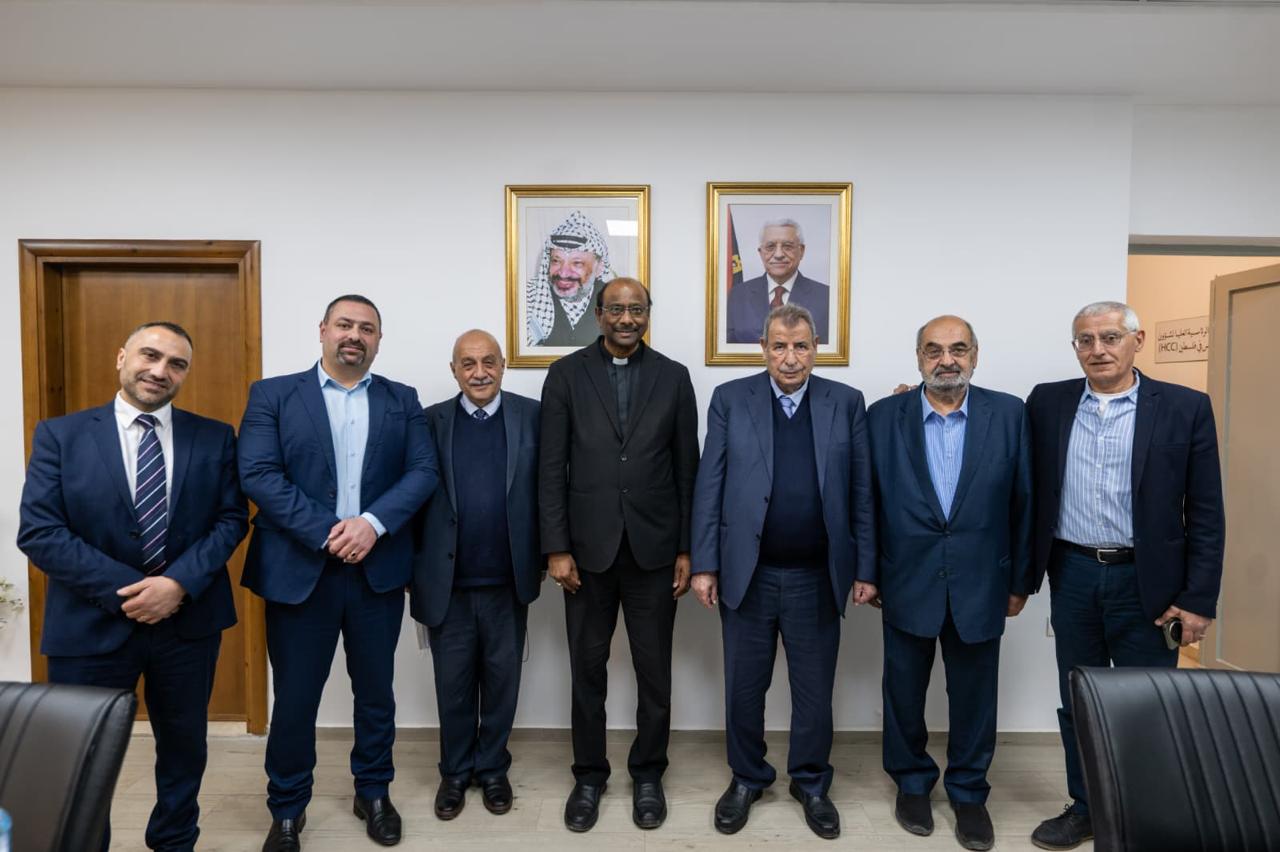
In a meeting held in Bethlehem, Dr. Ramzi Khouri, member of the PLO Executive Committee and Head of the Higher Presidential Committee for Church Affairs in Palestine, received Rev. Prof. Jerry Pillay, General Secretary of the World Council of Churches, and his accompanying delegation, where he outlined the serious and escalating challenges confronting the Palestinian people. Dr. Khouri conveyed the greetings of President Mahmoud Abbas, reaffirming the Palestinian leadership’s appreciation for the World Council of Churches’ role in supporting the rights of the Palestinian people and safeguarding the Christian presence in Palestine.
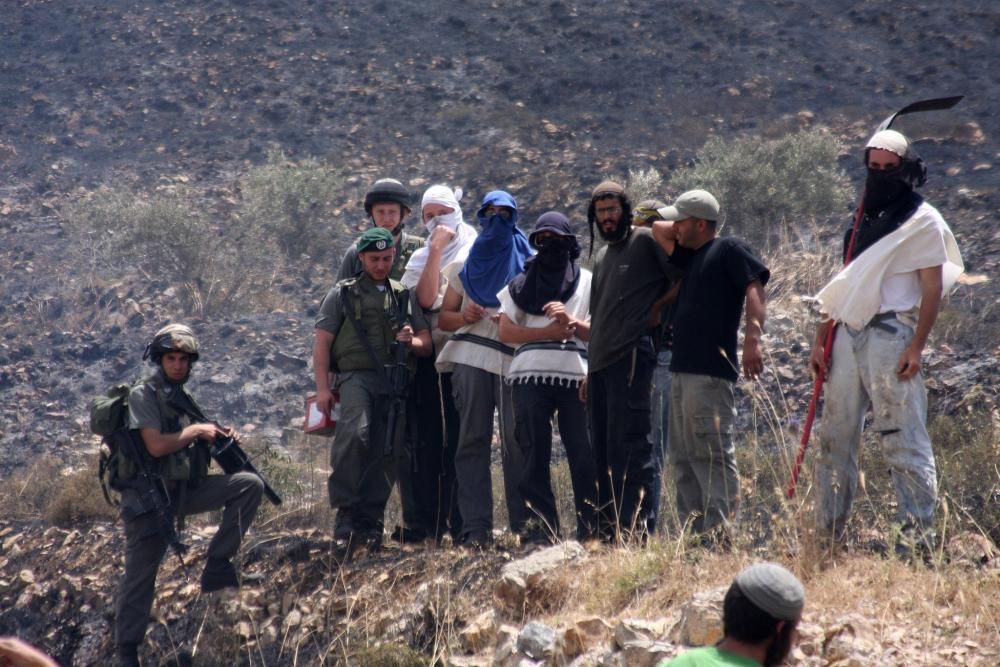
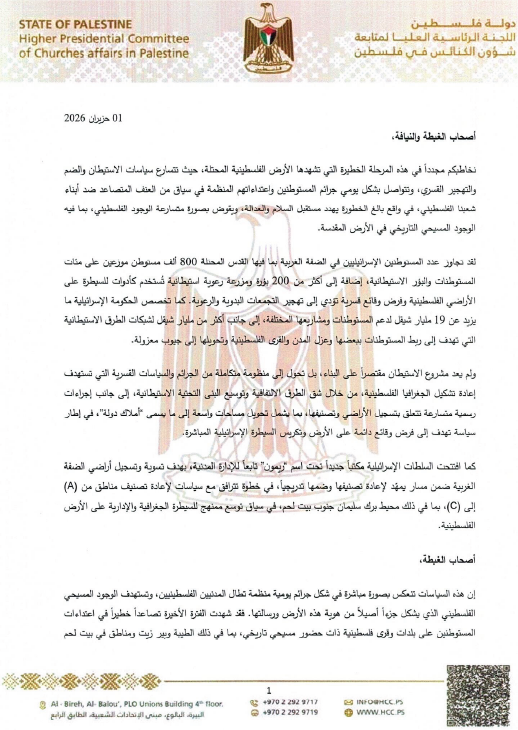
During the meeting, Dr. Khouri reviewed recent developments on the ground, noting escalating attacks targeting Palestinians, their property, and places of worship, particularly in the areas of Birzeit, Taybeh, Ein Arik, and Beit Jala. He highlighted reported assaults on clergy, desecration of holy sites, and attempts to seize land and property, amid the absence of accountability.
He explained that these developments coincide with Israeli measures and legislation aimed at imposing new realities on the ground through changes to land, construction, and planning regulations, the lifting of confidentiality on land records, the weakening of oversight mechanisms, and the transfer of regulatory powers to Israeli authorities, thereby entrenching a situation that is difficult to reverse and limiting prospects for a just political settlement.
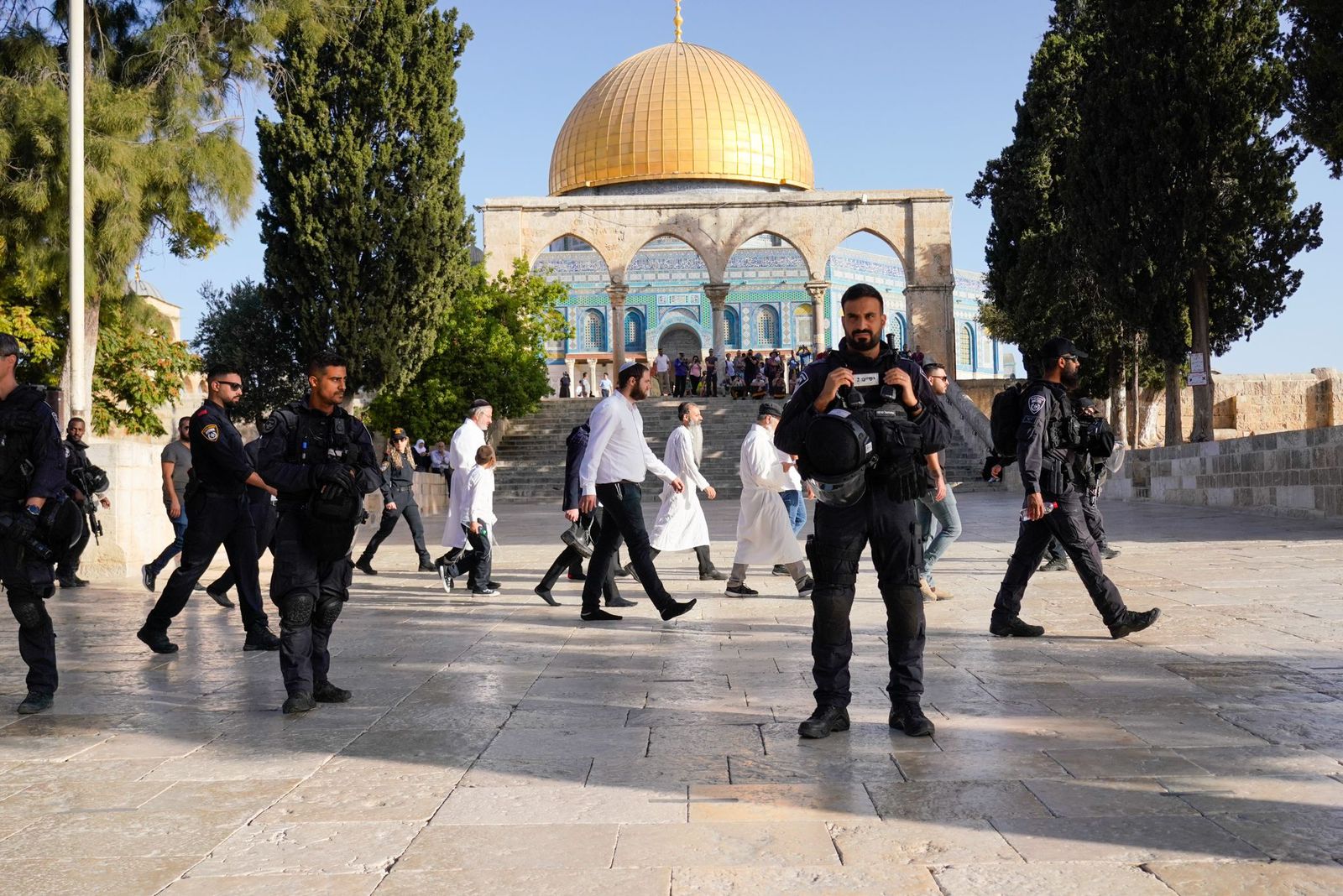
Dr. Khouri noted that the seriousness of these developments is further compounded by their religious dimension, particularly in areas of profound significance, such as the Ibrahimi Mosque in Hebron and areas in and around Jerusalem and Bethlehem, given their implications for the status quo and social stability.
The meeting also addressed the grave political and humanitarian conditions in the Palestinian territories and the role of churches in promoting justice and peace and safeguarding holy sites amid systematic pressures on Palestinian communities and their religious institutions, in attempts to alter the historical and religious character of the Holy Land.
Dr. Khouri warned that these conditions are contributing to an environment that undermines stability for Palestinian Christians and encourages forced migration, particularly among younger generations, thereby threatening a historic component of Palestinian society.
He further addressed the ongoing humanitarian catastrophe in Gaza, marked by widespread destruction of homes and infrastructure, including hospitals, schools, and places of worship, alongside severe restrictions on humanitarian assistance and the displacement of thousands of families, despite the announcement of a ceasefire on October 11 of last year.
Dr. Khouri emphasized that Israeli policies and practices affecting the West Bank, including Jerusalem, and the Gaza Strip constitute violations of international law and undermine prospects for a just and lasting political solution based on the two-state framework. He called for strengthened international accountability and increased global church engagement to help protect holy sites, ensure humanitarian access, and support efforts toward justice, peace, and the realization of the legitimate rights of the Palestinian people.
For his part, Rev. Prof. Jerry Pillay expressed deep concern over practices that undermine Palestinian resilience, particularly among Christian communities, and reaffirmed the World Council of Churches’ commitment to continued solidarity with the Palestinian people and to cooperation with Palestinian religious and national institutions in protecting holy sites and upholding human dignity.
At the conclusion of the meeting, Dr. Khouri expressed appreciation for the World Council of Churches’ supportive positions toward the rights of the Palestinian people, noting that this role represents an important moral and humanitarian support in confronting challenges and strengthening Palestinian steadfastness on their land.
The meeting was attended by committee member Dr. Samir Hazboun, Director of the Committee’s Bethlehem Office Jihad Khair, Director of Public Relations and Media Raed Hanania, along with Dr. Odeh Qawas and Mr. Yousef Daher.