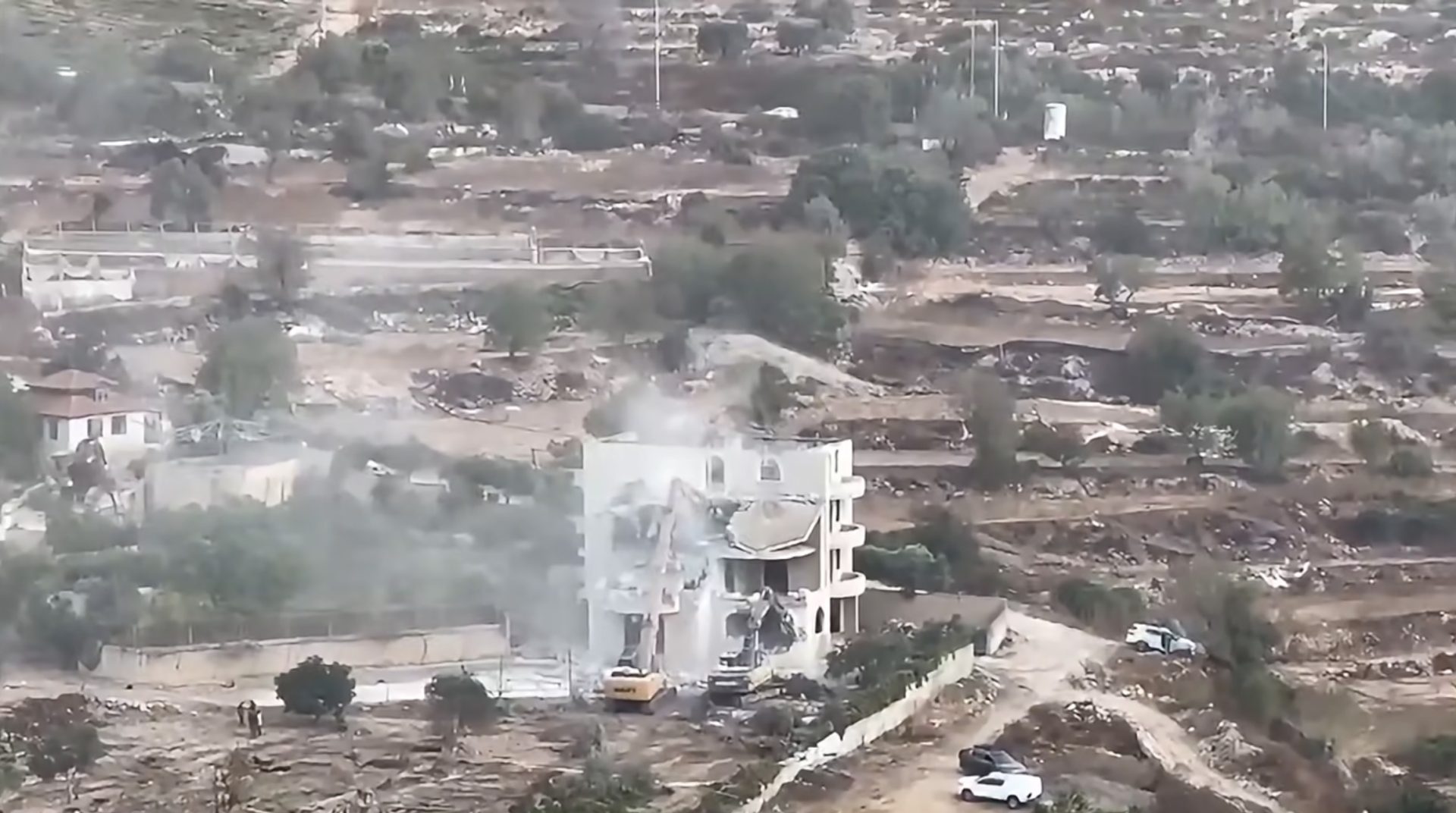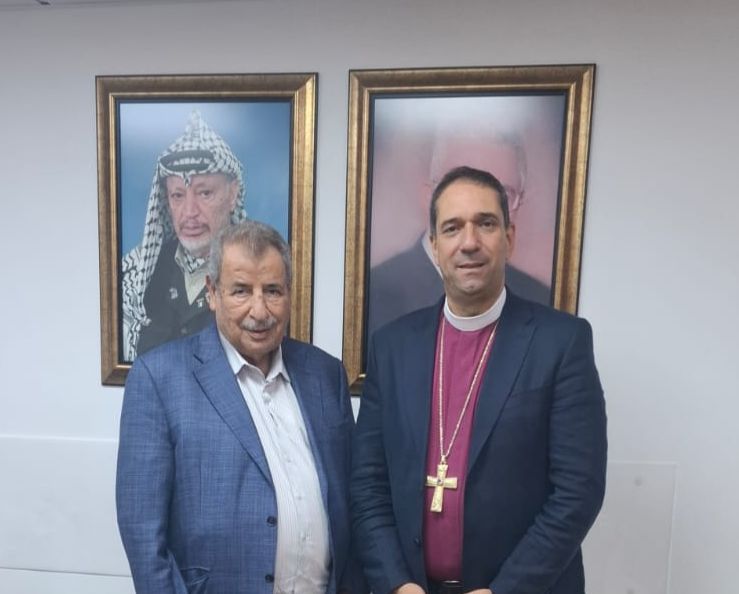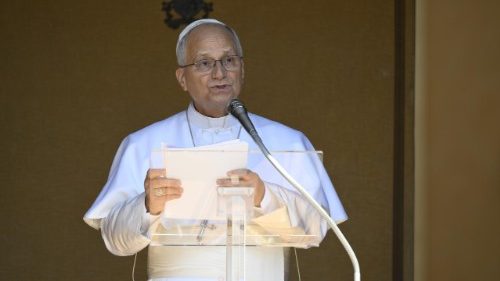
Dr. Ramzi Khouri, Member of the PLO Executive Committee and Head of the Higher Presidential Committee for Church Affairs in Palestine, has warned of the grave dangers facing the Occupied Palestinian Territory amid the accelerating policies of settlement expansion, annexation, and forced displacement, as well as the increasing wave of organized settler attacks against the Palestinian people. He stressed that these developments pose a direct threat to the Palestinian presence and the historic Christian presence in the Holy Land, while further undermining the prospects for achieving a just and lasting peace.
Khouri’s remarks came in a letter addressed to church leaders around the world, in which he called for urgent ecclesiastical and international action to confront Israeli policies aimed at imposing new realities on the ground in the Palestinian Territory and to exert the necessary pressure to halt the ongoing violations against the Palestinian people and their Muslim and Christian holy sites.
Khoury emphasized that the Israeli settlement enterprise is no longer limited to the construction of settlements. Rather, it has evolved into a comprehensive system designed to reshape Palestinian geography through settlement expansion, land confiscation, the construction of bypass roads, and the establishment of settlement outposts and pastoral farms. He noted that the number of settlers in the West Bank, including occupied Jerusalem, has surpassed 800,000, while the Israeli government continues to allocate substantial budgets to support and expand the settlement project and its infrastructure at the expense of Palestinian land and the rights of its owners.
He further warned of accelerated Israeli measures aimed at imposing legal and administrative control over Palestinian land, including the establishment of a platform under the Israeli Civil Administration to oversee the registration and settlement of land ownership in the West Bank, a step that paves the way for the reclassification of land and its gradual annexation. Khouri also highlighted the threats facing several historic and archaeological Palestinian sites, particularly the area of Solomon’s Pools south of Bethlehem, as part of broader policies intended to consolidate control over Palestinian land and erase its historical and cultural identity.
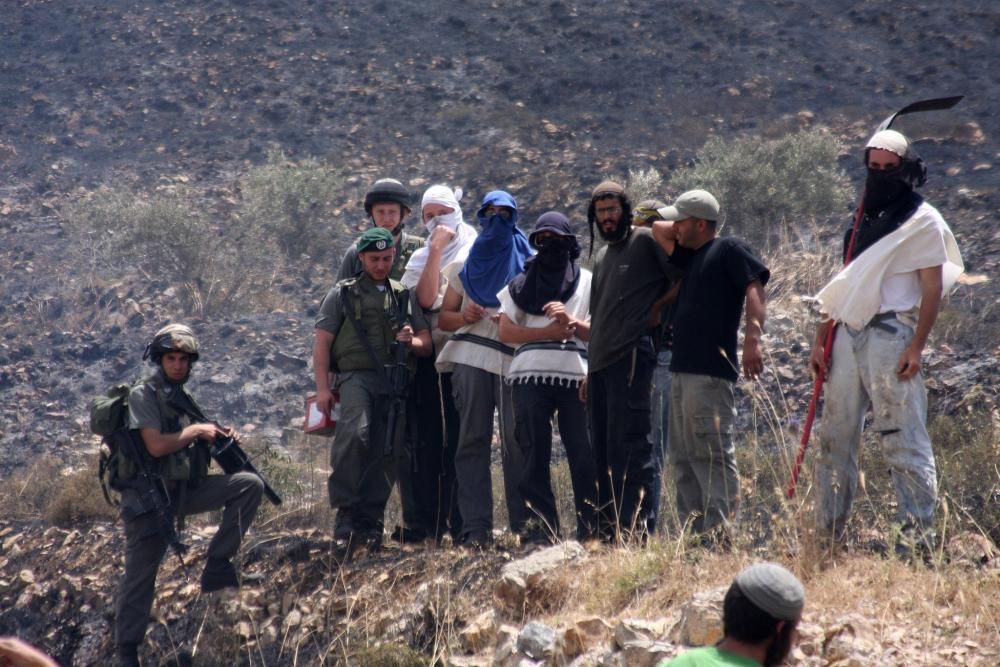
Khouri noted that these policies are accompanied by a dangerous escalation in settler attacks against Palestinian towns and villages, including communities with a historic Christian presence, as well as repeated assaults on clergy and Christian holy sites, all taking place within a climate of incitement, official protection, and impunity.
In his letter, he also reviewed the situation in occupied Jerusalem, where policies of home demolitions, displacement, land confiscation, and ongoing attempts to alter the city’s historical and demographic character continue unabated. He further highlighted the threats facing several Palestinian communities, including Khan al-Ahmar, Nabi Samuel, and Beit Iksa, as part of plans aimed at consolidating settlement control and severing Jerusalem from its Palestinian surroundings.
Khouri also addressed the catastrophic conditions in Gaza, where more than two million Palestinians are enduring widespread destruction, mass displacement, and the near-total collapse of infrastructure. He warned of the dangers posed by policies designed to impose new geographical and demographic realities by force, further deepening the suffering of the population and jeopardizing the future of the Gaza Strip.
Khouri called upon churches and Christian institutions worldwide to use their spiritual and moral standing to defend justice and human rights, and to engage their governments and institutions in efforts to end these violations, hold those responsible accountable, and provide protection for the Palestinian people and their Muslim and Christian holy sites.
He stressed that continued silence in the face of what is taking place in Palestine can no longer be regarded as a neutral position. Rather, it contributes to the perpetuation of injustice and the prolongation of suffering. He underscored the importance of ensuring that the voice of churches around the world remains a witness to truth, a defender of justice, and a protector of the human and Christian presence in the Holy Land.