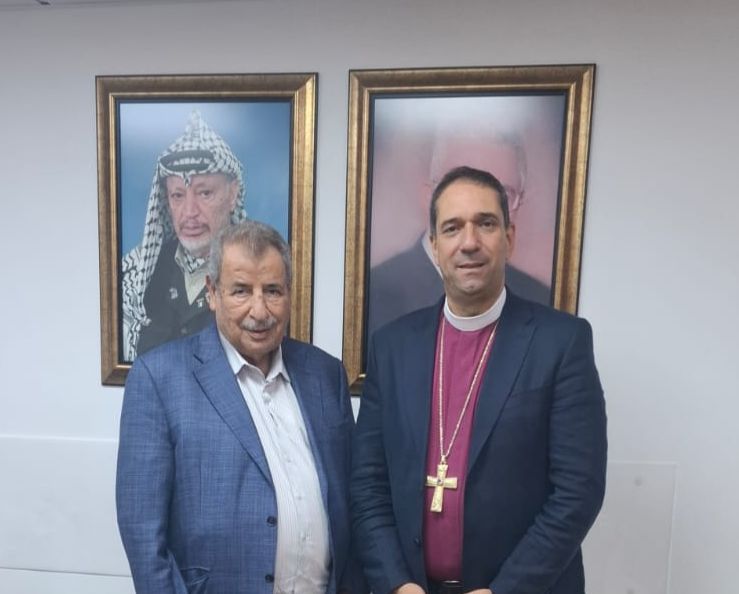
Dr. Ramzi Khouri, Member of the PLO Executive Committee and Head of the Higher Presidential Committee for Church Affairs in Palestine, said that the claims made by Israeli Prime Minister Benjamin Netanyahu in his address to the 81st session of the United Nations General Assembly regarding the protection of Christians stand in stark contradiction to the reality faced by Palestinian Christians.
Khouri stressed that the occupation and its arbitrary measures against Palestinians are the principal reason behind the continued decline of the Christian population in Palestine, pointing to a persistent record of violations targeting their churches, monasteries, holy sites, lands, property, and institutions.
“The reality on the ground exposes the contradiction between these claims and what Christians actually experience,” Khouri said. “Attacks against churches, monasteries, holy sites, clergy, and Christian citizens continue, alongside the confiscation of land and property, the imposition of taxes and fees on church institutions, and restrictions on freedom of worship and access to holy sites.”
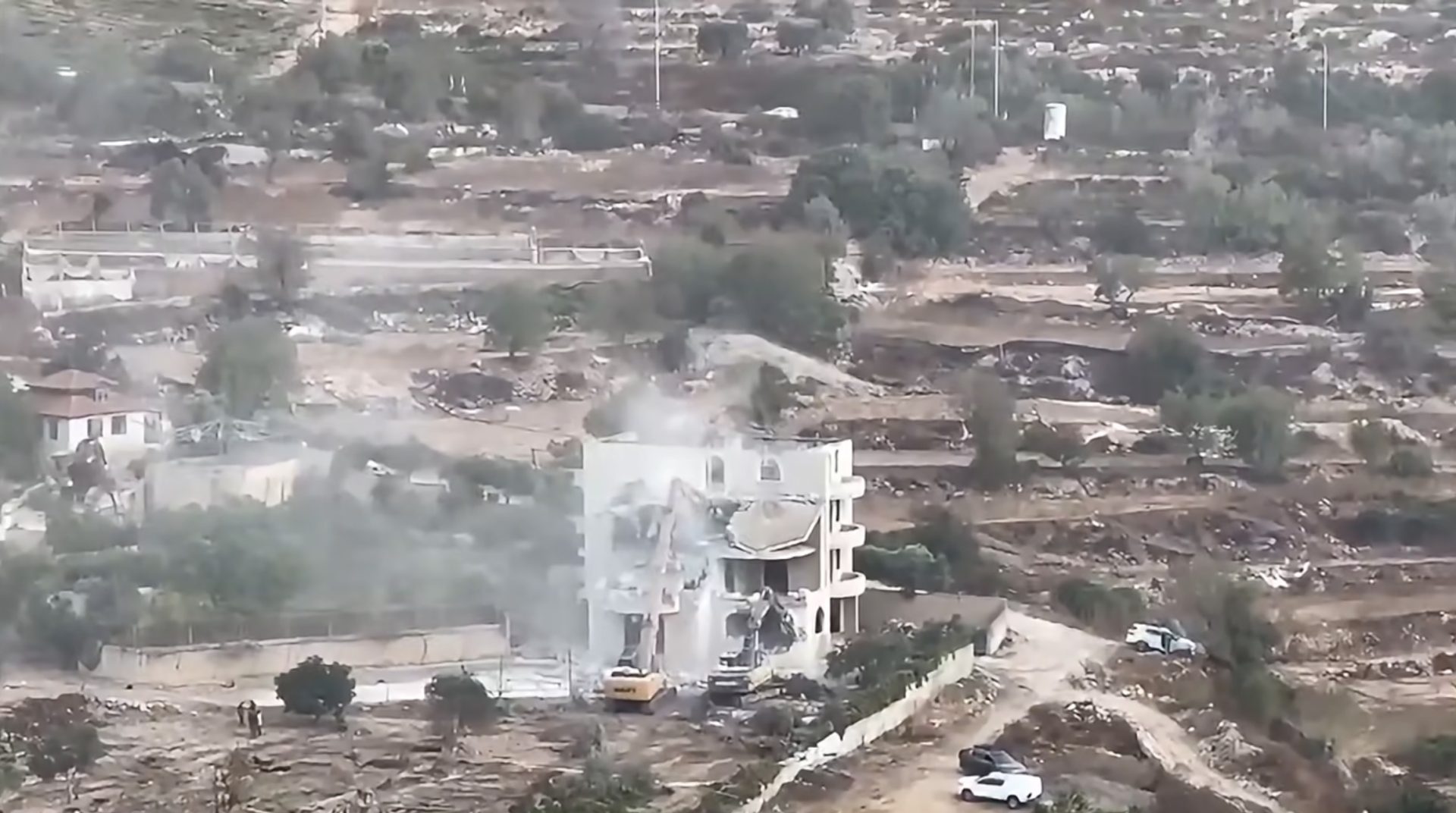
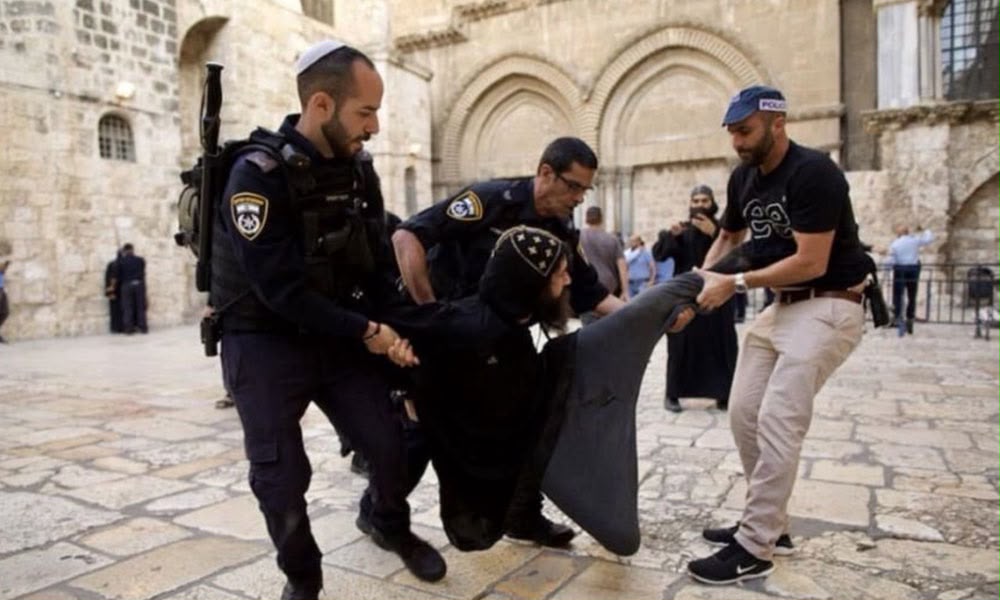
He noted that these violations extend from Jerusalem to communities and areas across Palestine, including Taybeh, Birzeit, Ein Arik, the Bethlehem Governorate, and elsewhere. They encompass attacks on churches, holy sites, property, and land, as well as assaults against citizens, clergy, and nuns, while settlement expansion, displacement, and measures aimed at placing pressure on the Christian presence continue.
Khouri further stressed that Christian educational institutions and their curricula have also come under pressure, including restrictions on their operations and on the access and movement of their teachers and staff. Such measures undermine the historic role of Christian schools and institutions in preserving the Christian presence and serving Palestinian society. He emphasized that targeting education cannot be separated from targeting the very foundations of Christian presence, continuity, and survival.
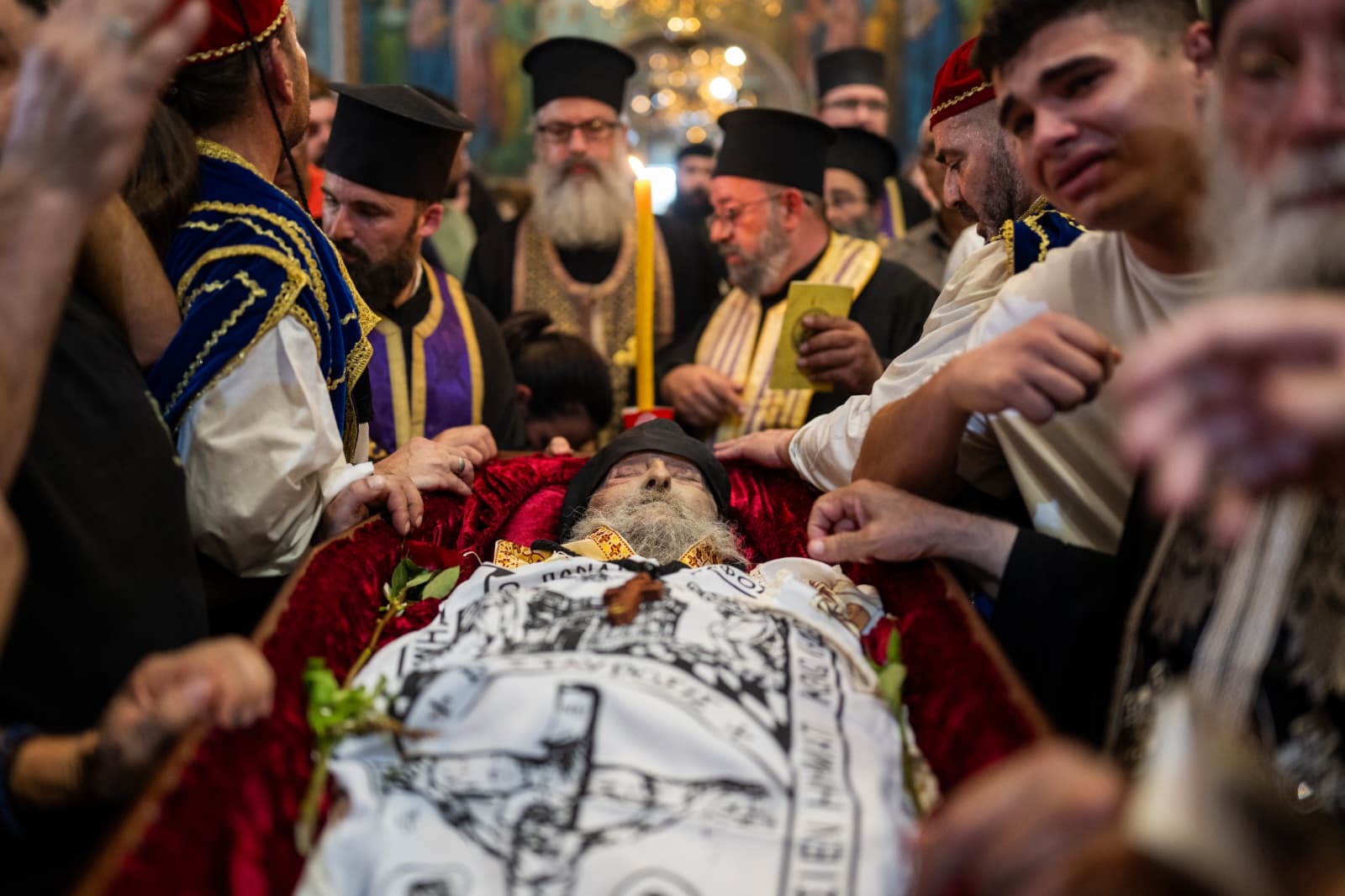
He added that the recent attack on St. John the Baptist Church in Haifa, the attack on the Armenian Monastery, and the repeated attacks against churches and monasteries in Jerusalem and the West Bank demonstrate the widening scope of attacks against Christian institutions and religious and holy sites.
Khouri stressed that these are not isolated incidents, but part of a continuing pattern of violations affecting freedom of worship and education, the ownership of land and property, the continuity of Christian institutions, and the fundamental right of Palestinian Christians to remain in their homeland. He said such practices run contrary to the relevant rules and obligations governing the protection of religious and cultural sites and the freedom of worship.
The Higher Presidential Committee for Church Affairs, he noted, documented a broad range of violations against churches, holy sites, and the Christian community in its 2026 report.
“Those who close the Church of the Holy Sepulchre, attack churches and monasteries, seize Christian lands and property, impose taxes on Christian institutions, and restrict their schools and curricula cannot present themselves to the world as protectors of Christians,” Khouri said.
Khouri underscored that Palestinian Christians are sons and daughters of this land and an integral and historic part of the Palestinian people, its history, and its national identity. Protecting the Christian presence, he stressed, cannot be achieved through speeches or political declarations. It requires an end to attacks, settlement expansion, land confiscation, and displacement; guarantees for freedom of worship and access to holy sites; and effective protection for churches, monasteries, and Christian institutions.
Khouri concluded: “Palestinian Christians will remain on their land, steadfast in their churches and holy sites, and will continue their witness and mission in the Land of Christ, regardless of how intense the policies of occupation, settlement, uprooting, and displacement may become.”